
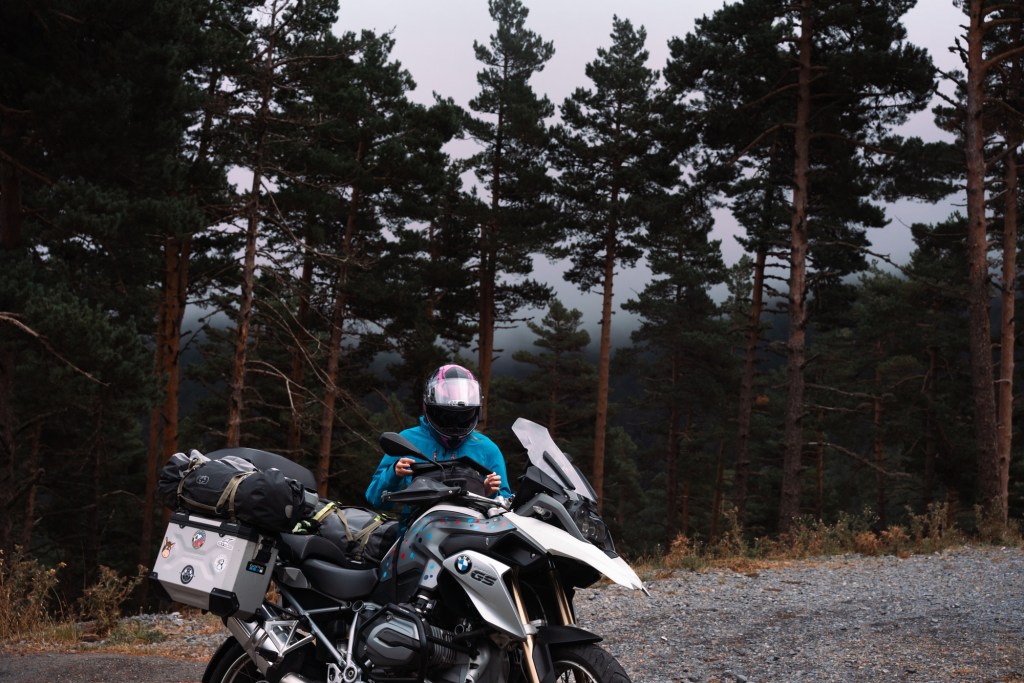
After several days holed up in Molinos de Duero like monks with email access, it was finally time to get back on the road. The rain had eased, the clouds had stopped actively spitting on us, and our waterproofs, now more creased than effective (not really, they’re actually awesome) were called into action once more.
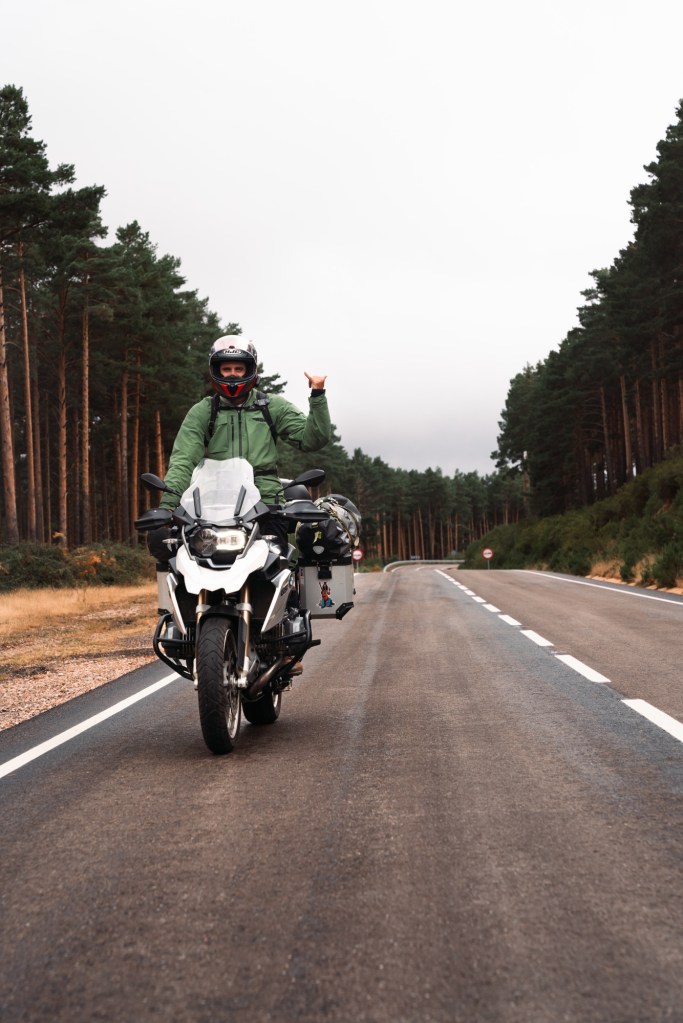
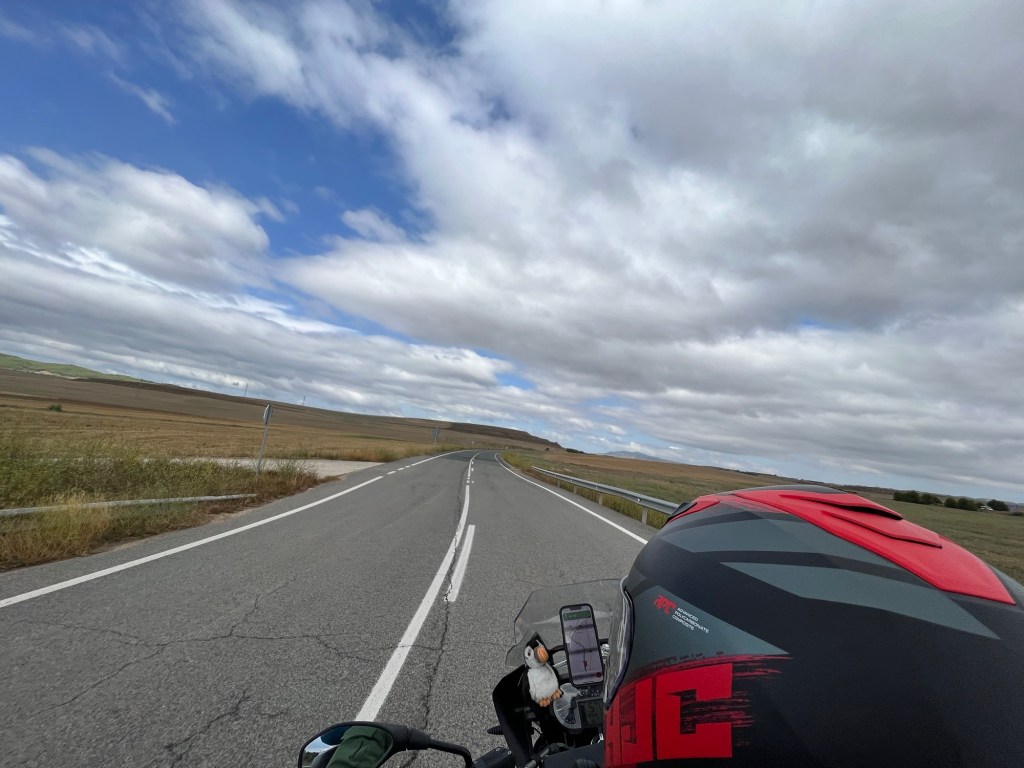
The moment we rolled out, we were greeted by that glorious thing Spain does so well: open roads, pine forests, no traffic, and the odd suicidal cow standing in the middle of the tarmac as if it had read too much Camus. It was the kind of ride that makes motorbiking feel like a spiritual experience, albeit one with a wet backside.
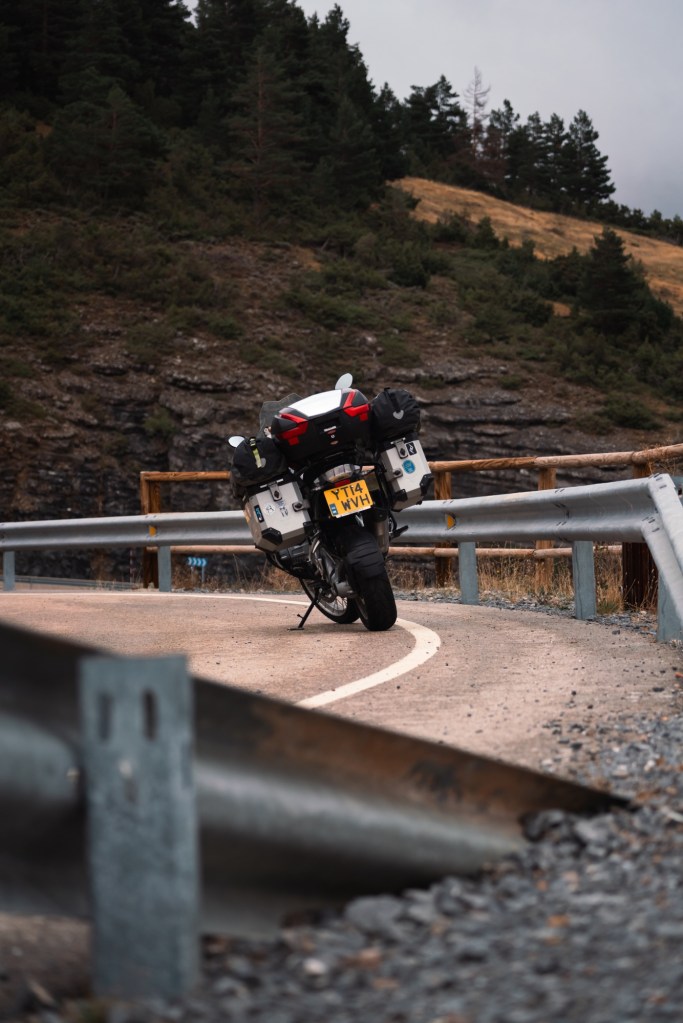
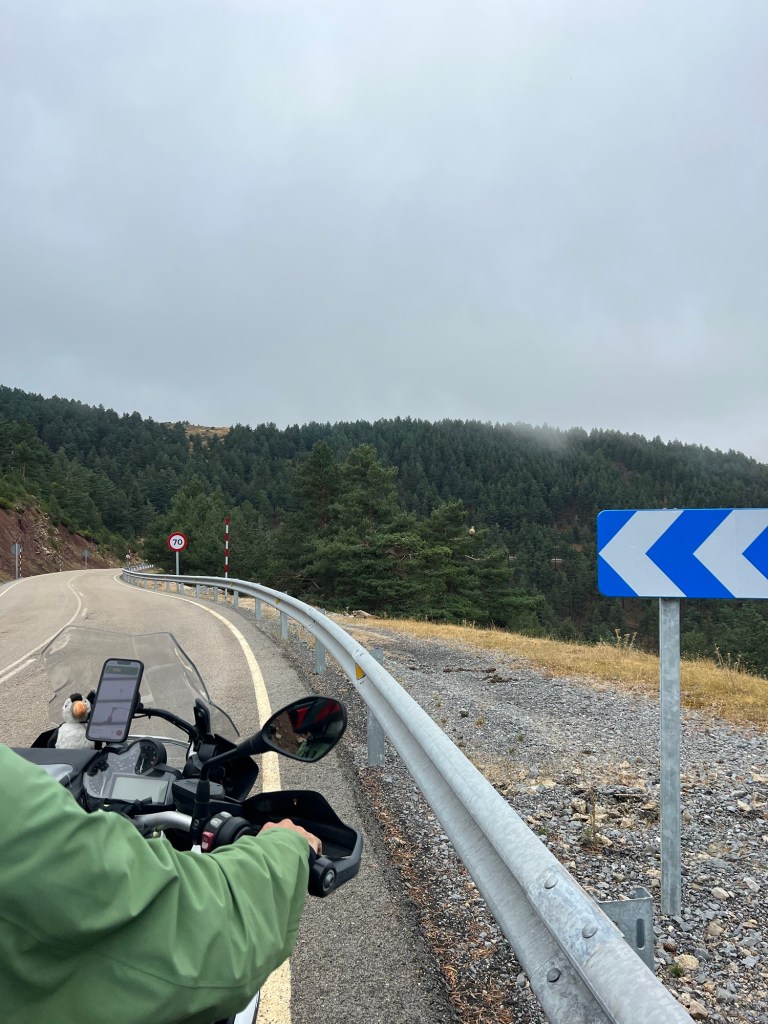
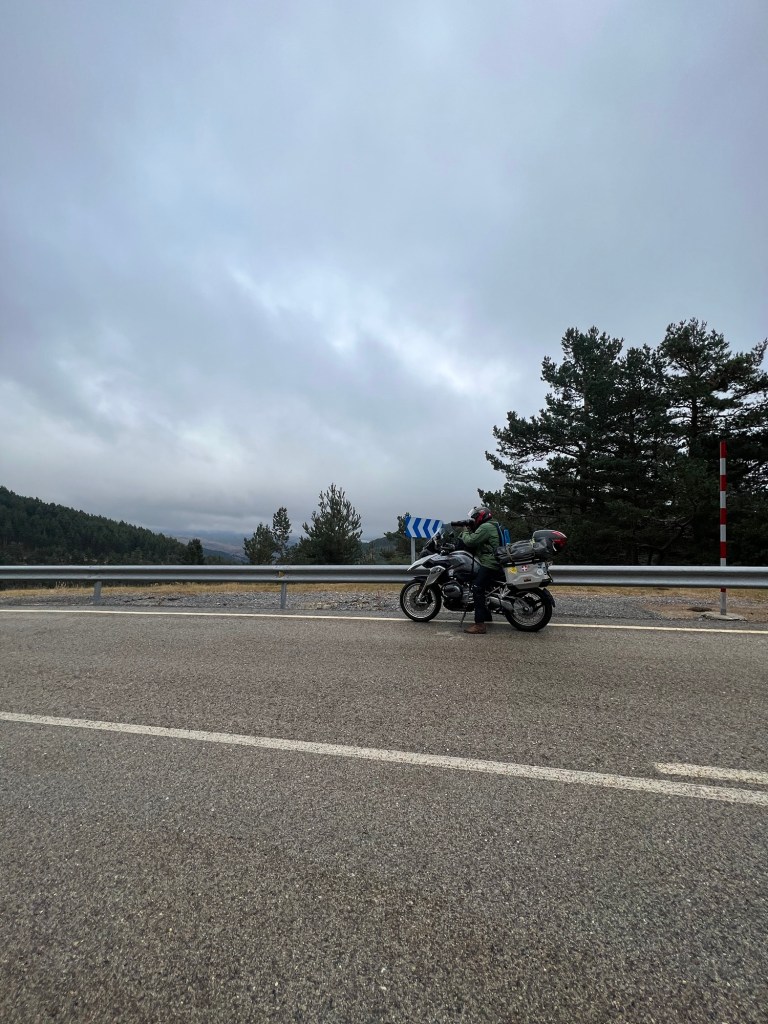
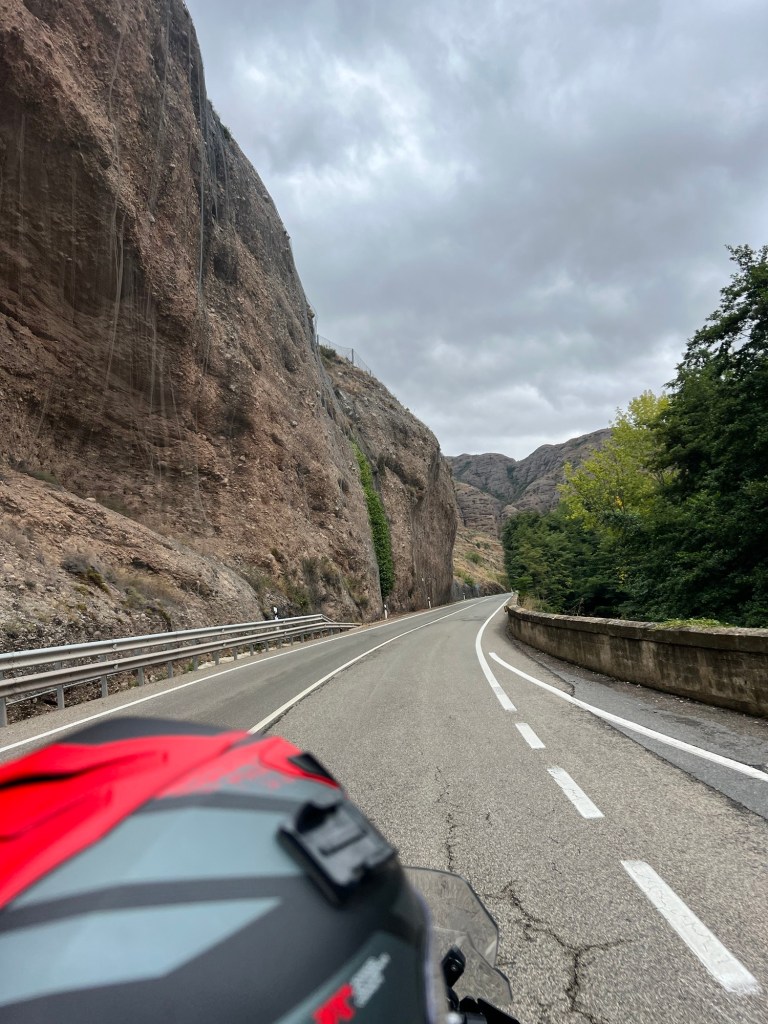
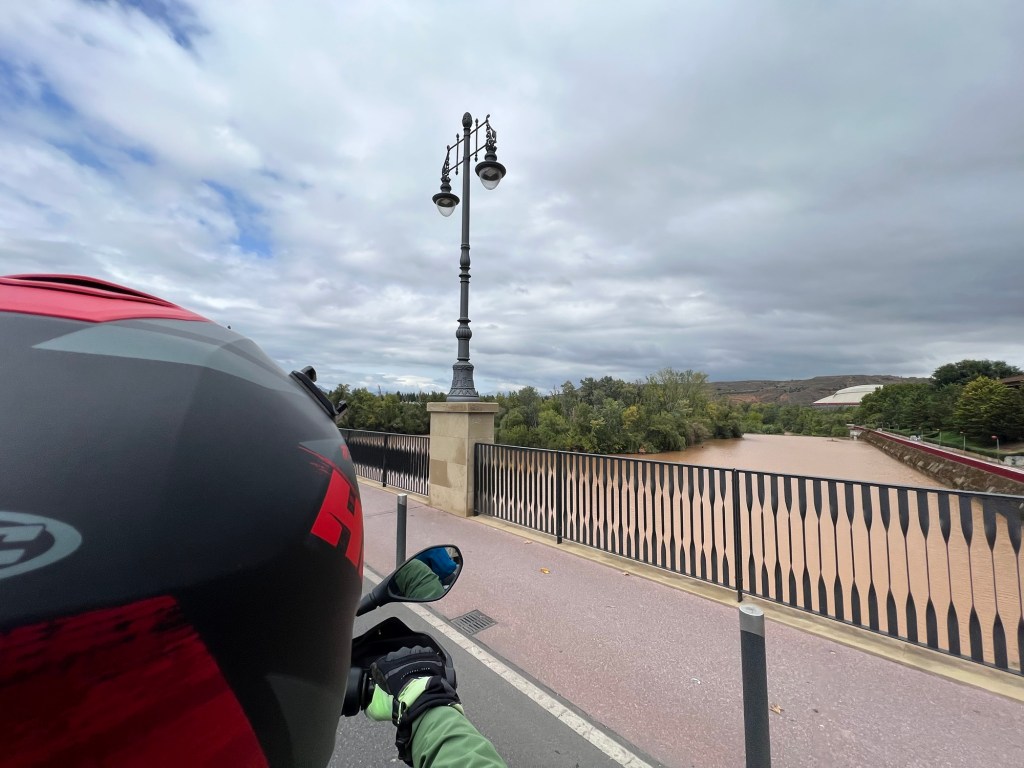
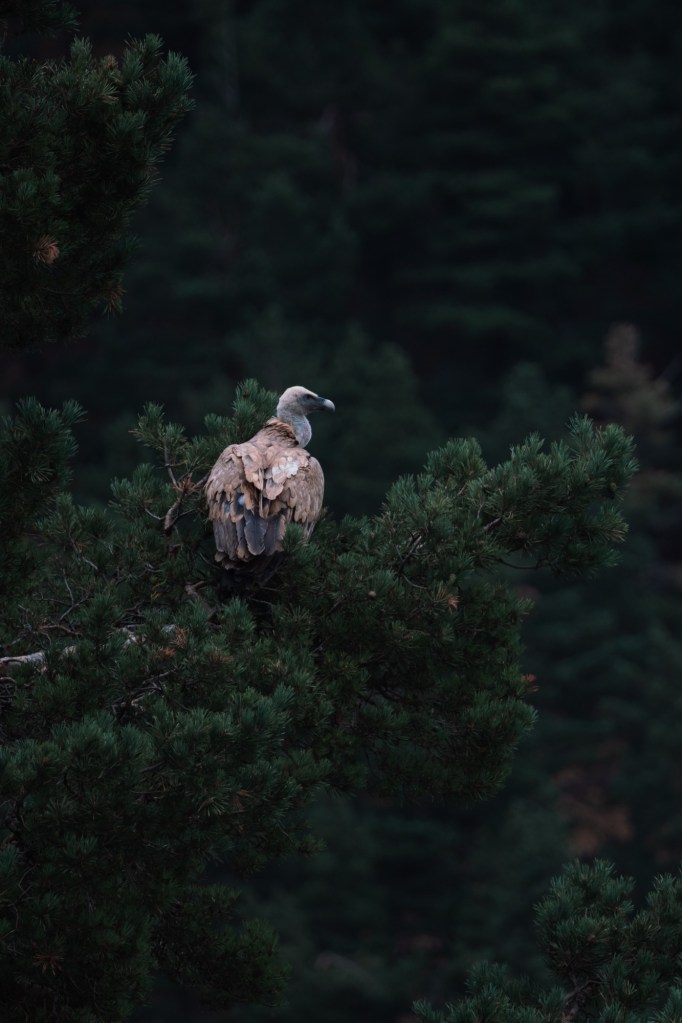
We passed through villages so sleepy they made Molinos look like Manhattan. Not much stirred except the cattle and a few ominously large birds of prey, gliding above us like feathered judges. But this was proper Spain. Rural Spain. The sort of place where people still go to the bakery at 8am, buy bread the size of their torso, and then disappear for a six-hour lunch.
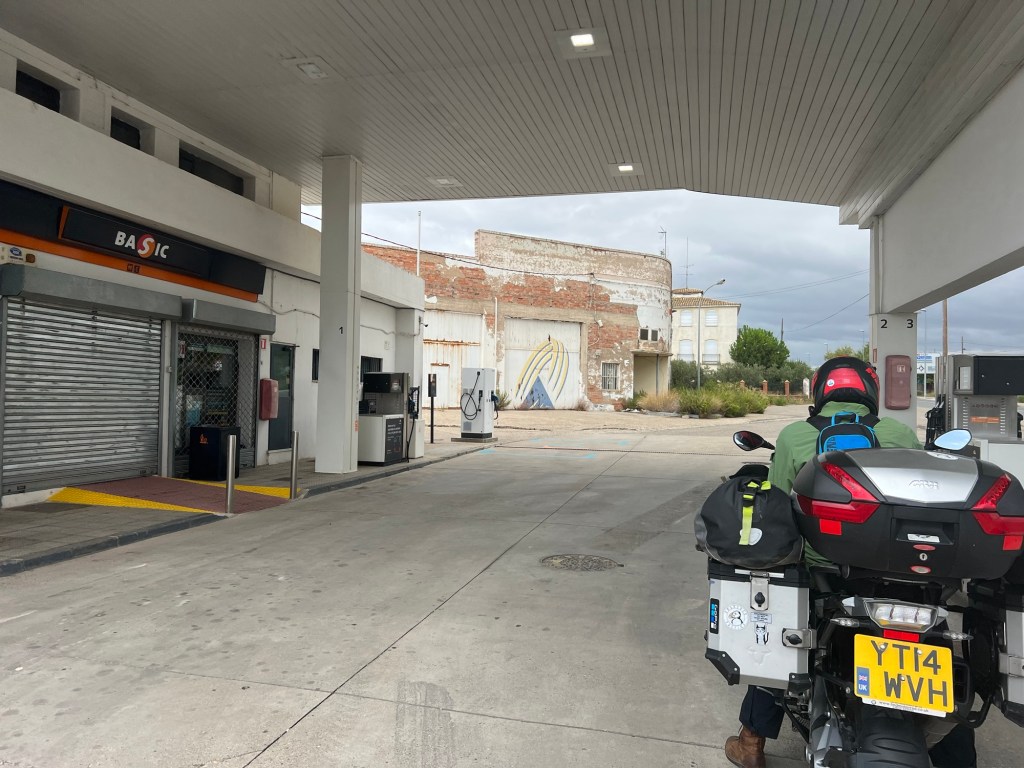
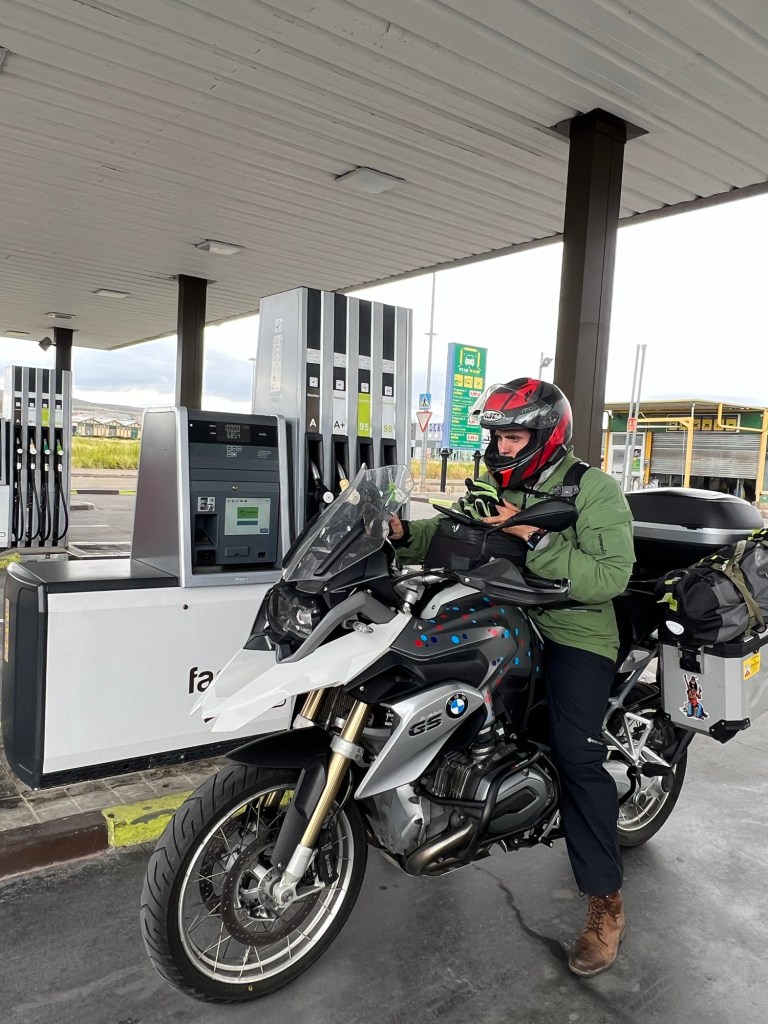
As tends to happen when you’re too busy enjoying yourself, we forgot to stop for fuel or food, and both began to register as critical. The fuel issue was particularly tense, as every petrol station seemed either shut, under renovation, or simply a figment of Google Maps’ imagination.
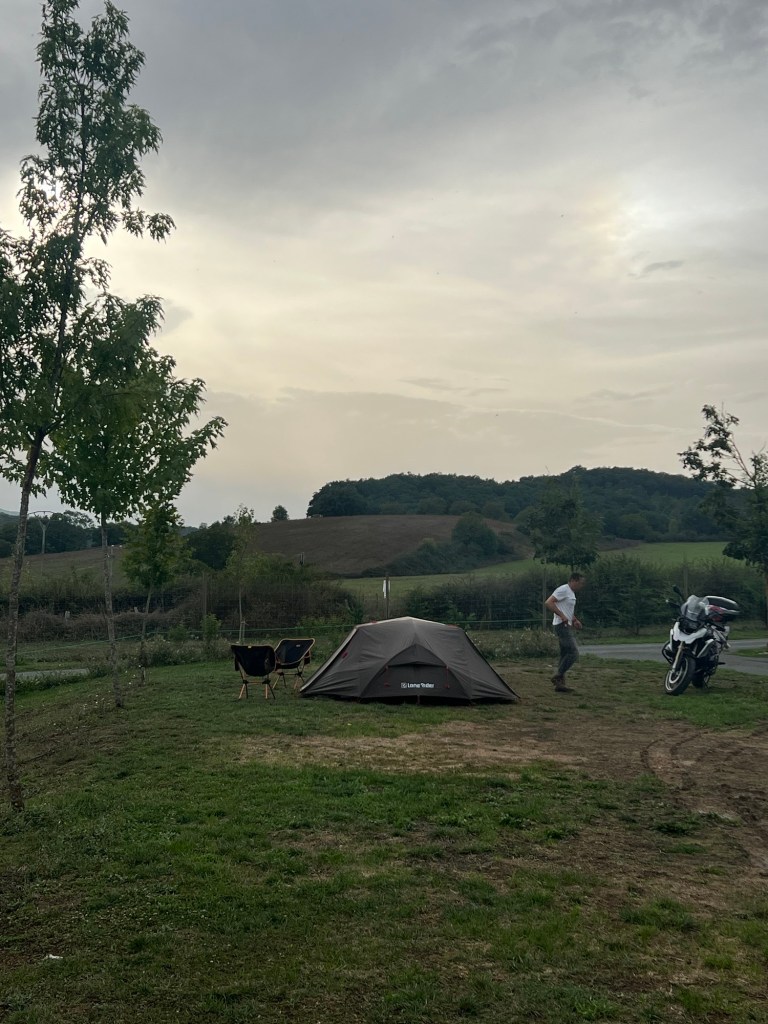
Eventually, we limped into a campsite outside Pamplona, starving and almost empty on fuel. We pitched the tent in record time, wolfed down a salad (a term used loosely here: lettuce and half a cucumber), and dashed into the city before the sun disappeared and the country roads turned into a nightmarish wildlife gauntlet.
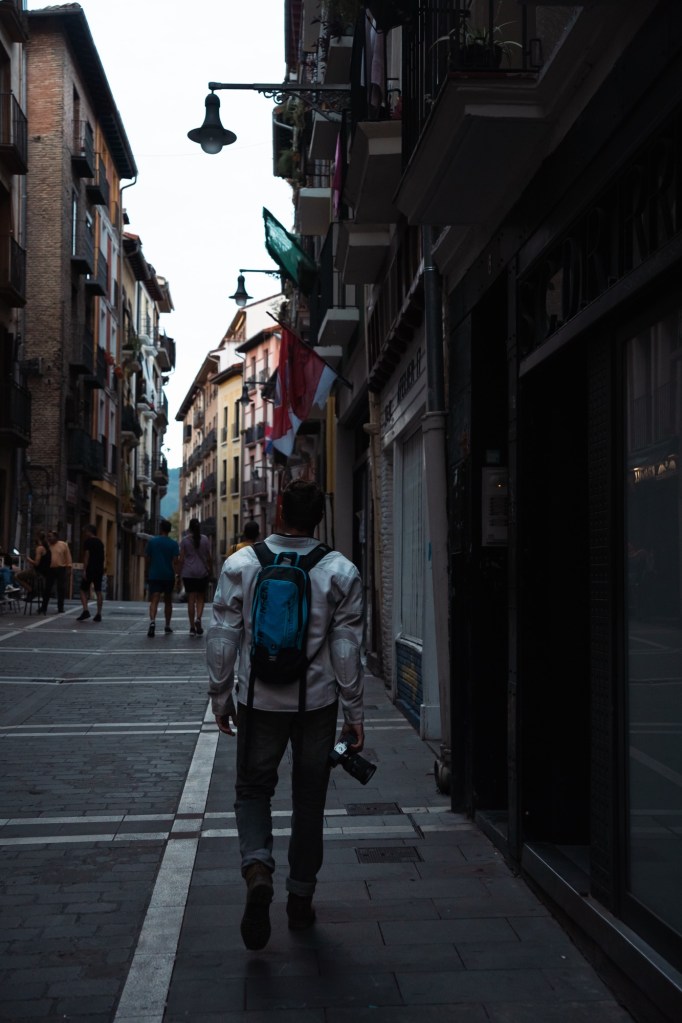
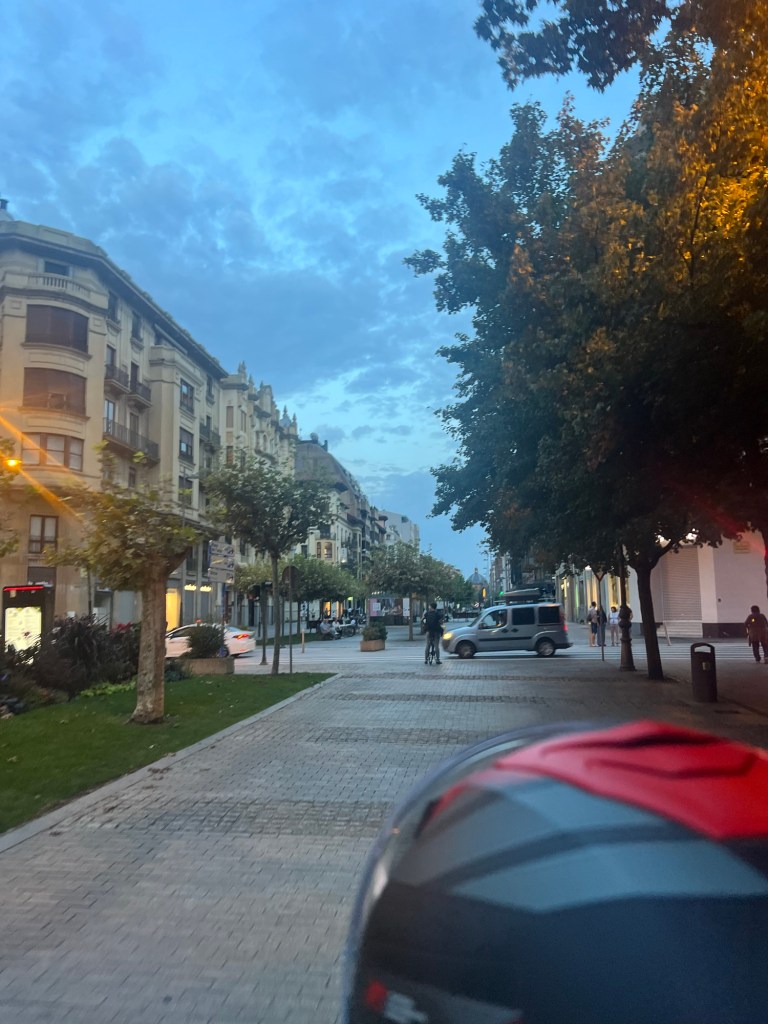
Pamplona was sweltering. You could roast a pig on the pavement. It’s famous, of course, for the Running of the Bulls, an annual tradition that I imagine mainly of tourists being trampled for sport while locals cheer and drink beer. But there’s more to the place than bovine battery.
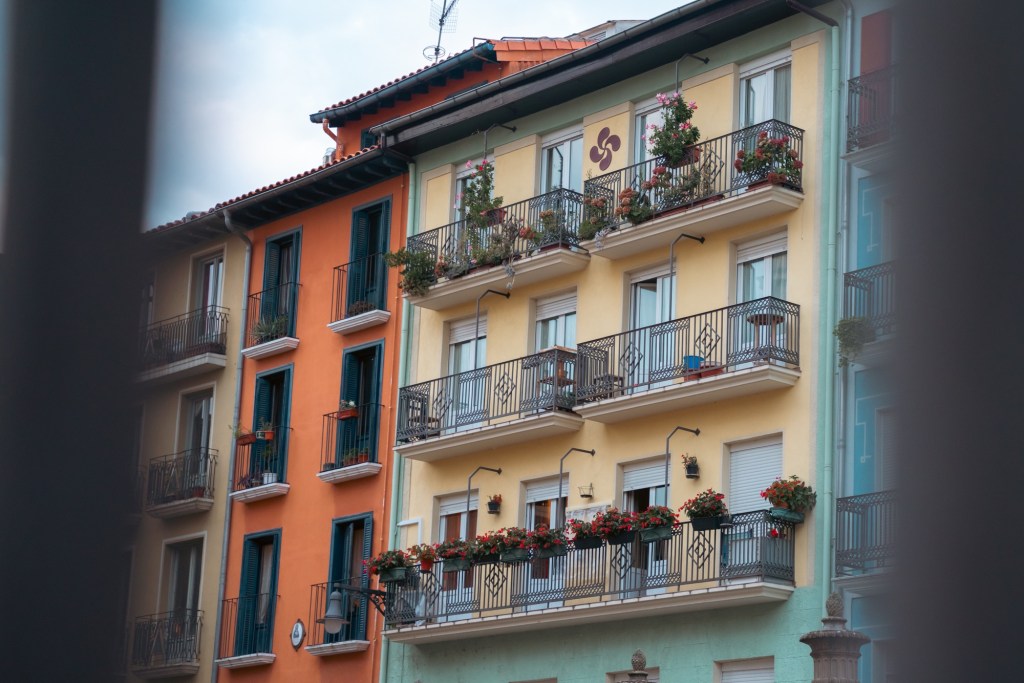
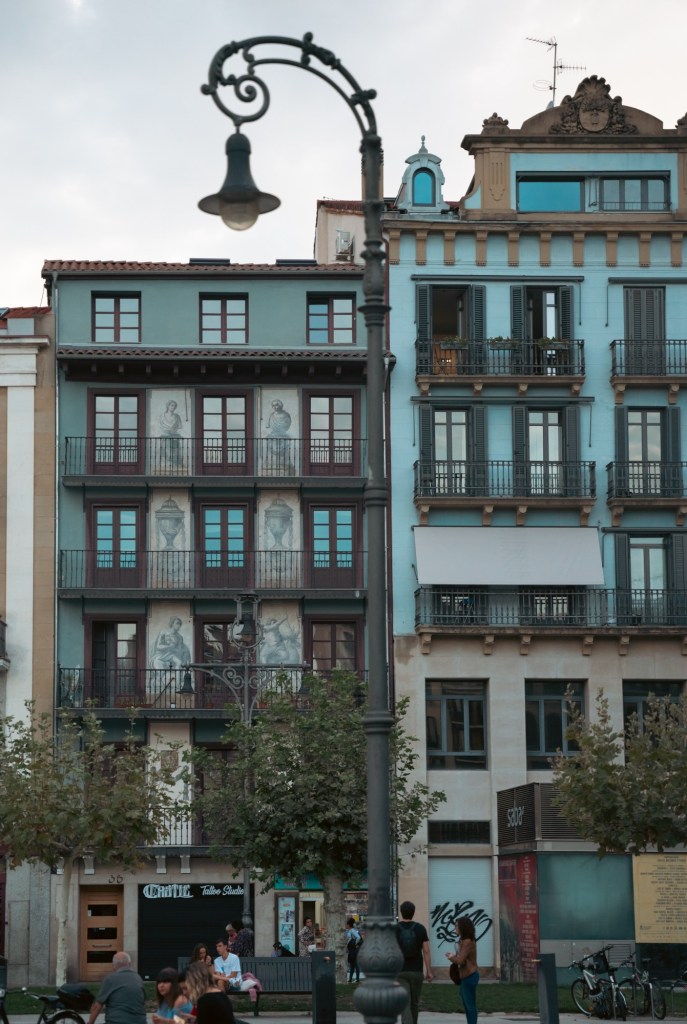
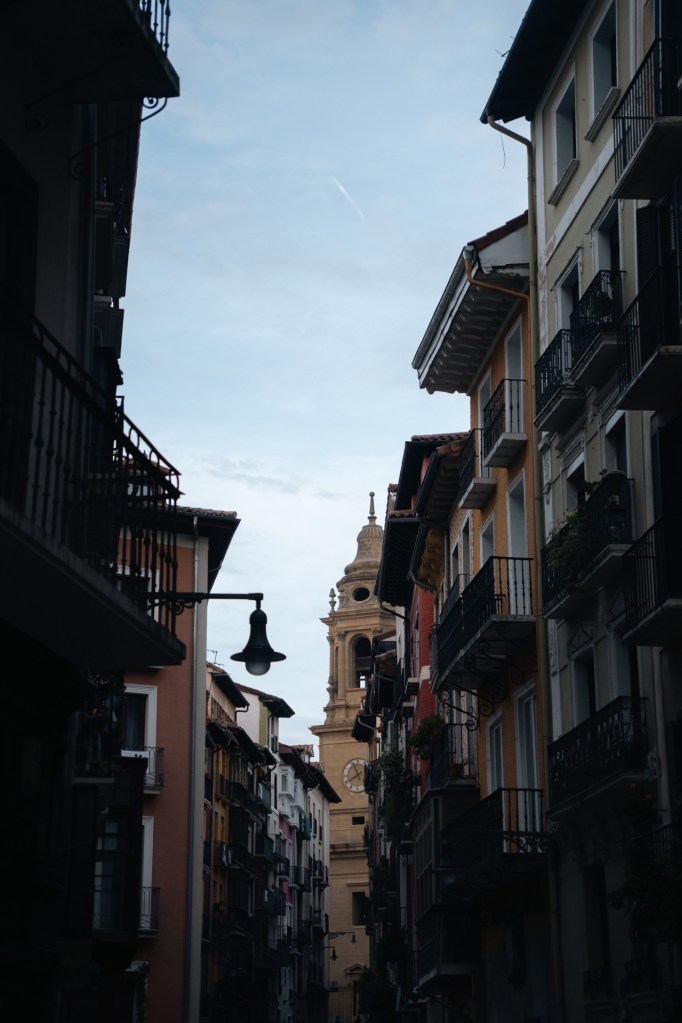
Founded by the Romans, Pamplona wears its history like a well-worn jacket – tattered at the edges, but still stylish. The Casco Antiguo (Old Town) is all narrow lanes, cobbled stones, and charming plazas. Plaza del Castillo is the main square, flanked by cafés that look like they haven’t changed their chairs or waiters since the 1800s.
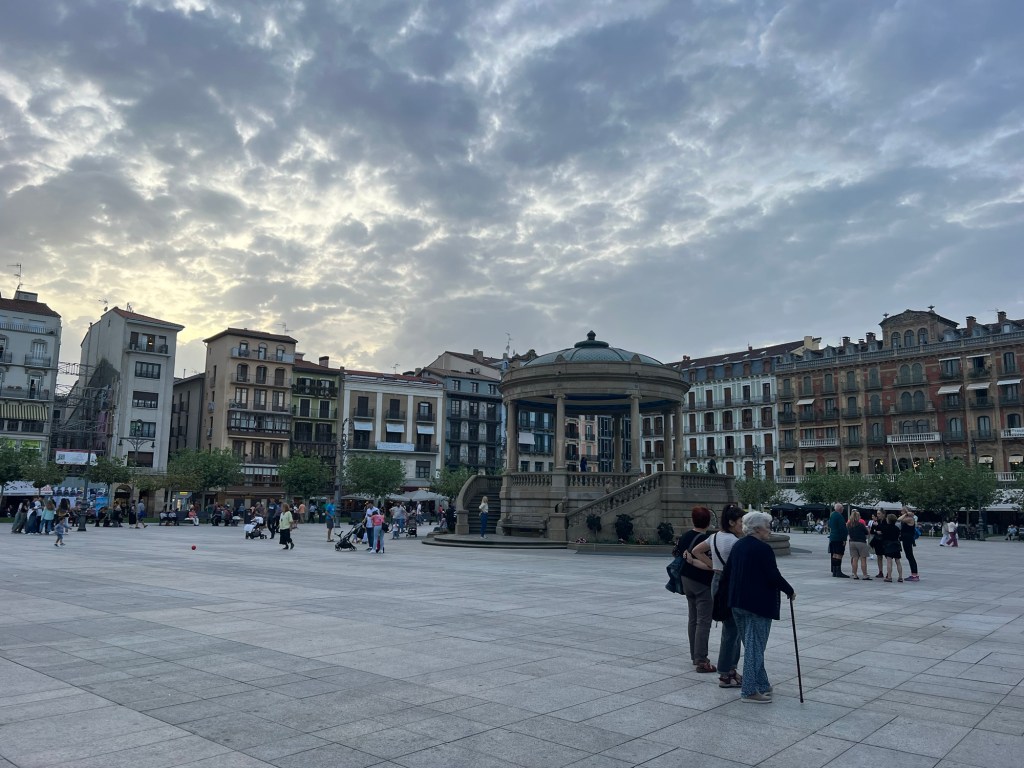
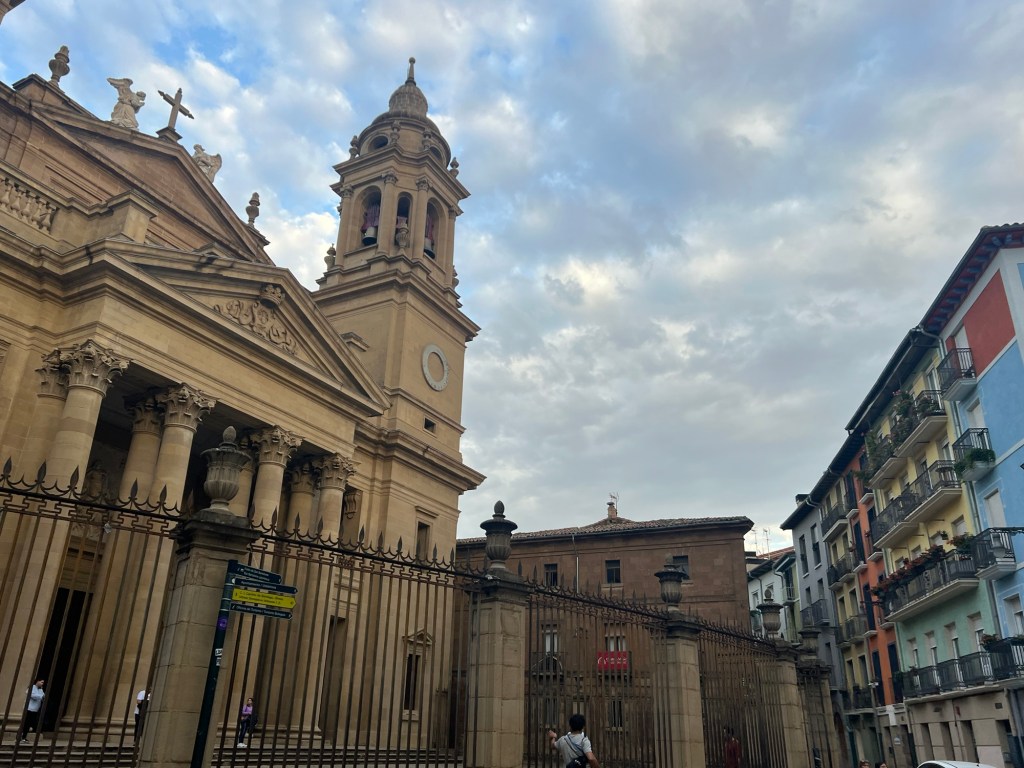
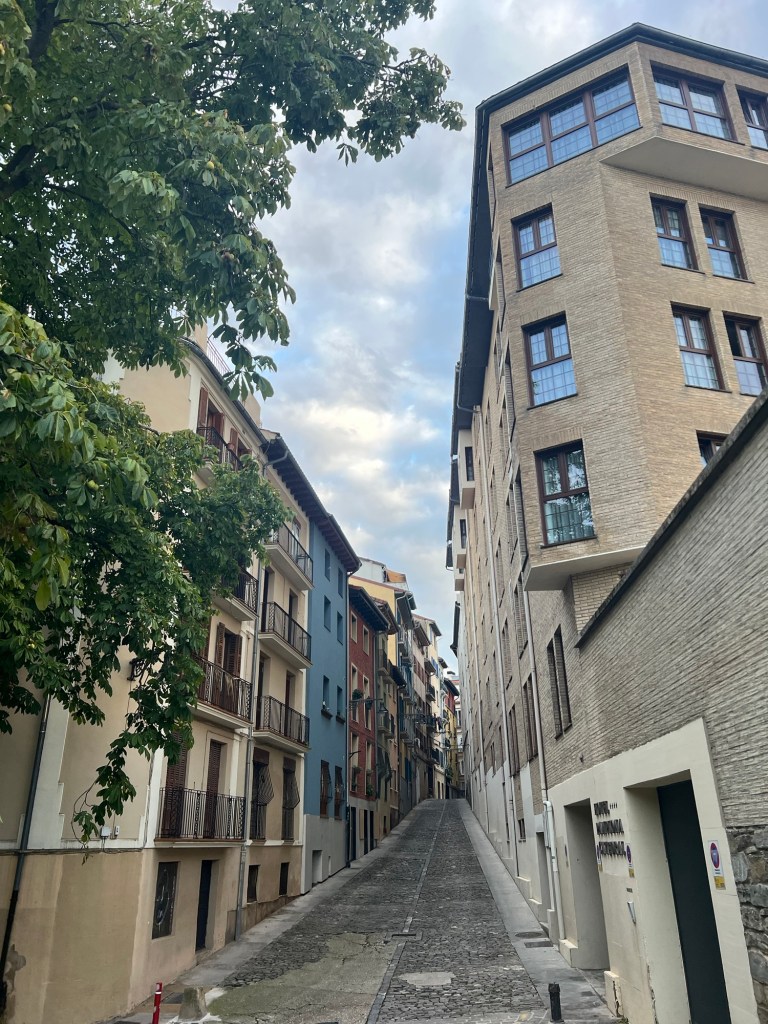
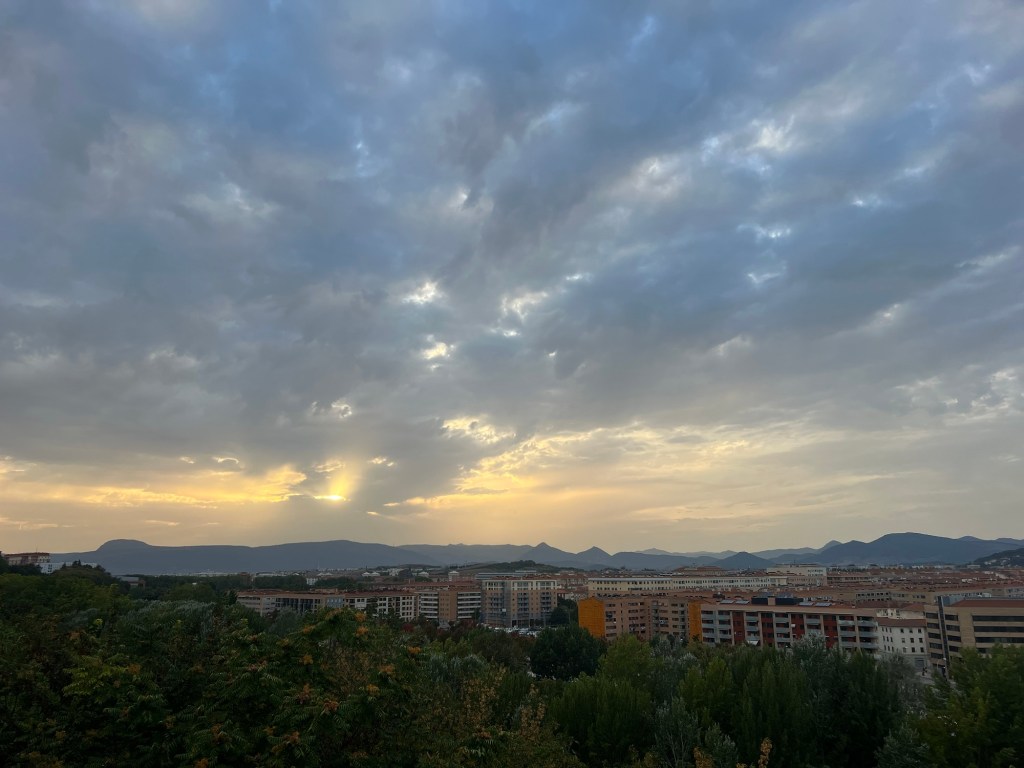
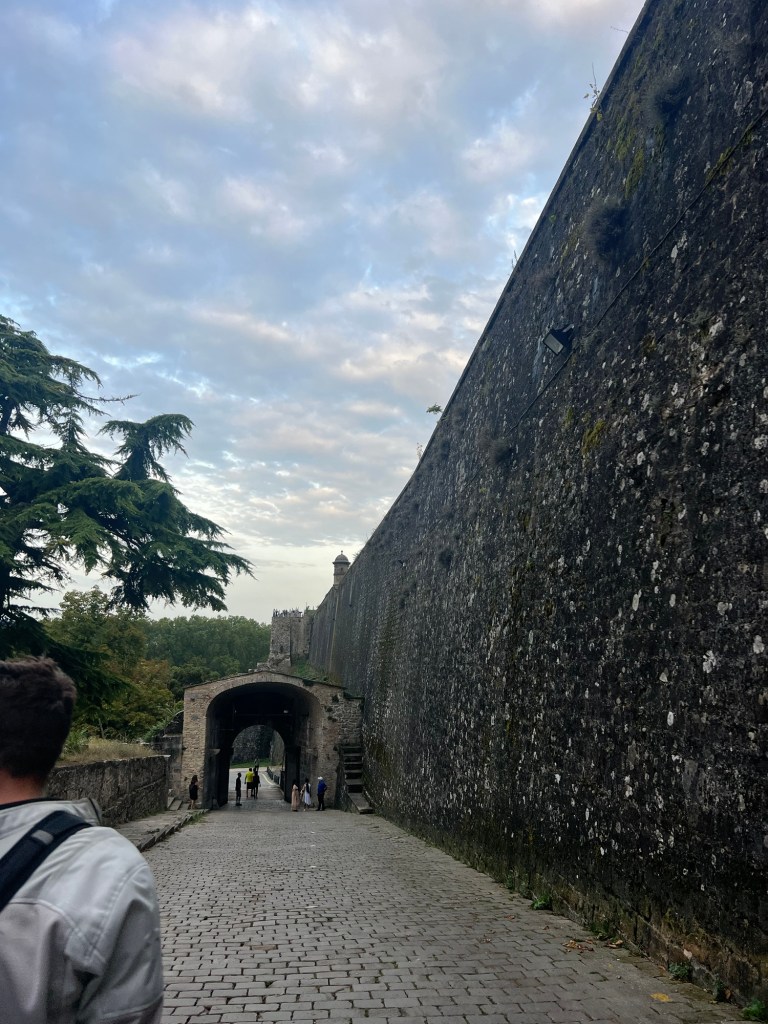
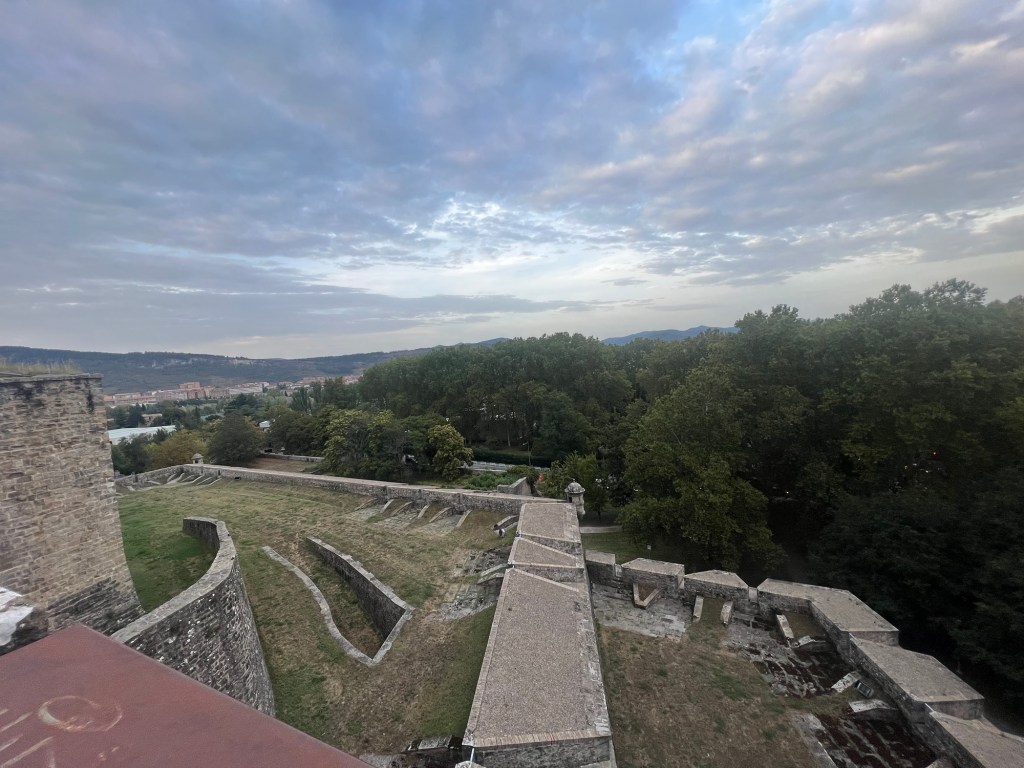
We didn’t have much time for sightseeing, which was unfortunate, as Pamplona is positively heaving with historical gems. There’s a Gothic cathedral, a museum full of Roman artifacts, and enough tapas bars to feed a small army. But with limited time and a growing concern about driving back in total darkness, we opted for a short wander, a cold drink, and a vague plan to return someday when we weren’t covered in bug spray.
Back at the campsite, things took a turn for the grotesque. First, the bugs came out. Not the usual buzzing nuisances, but strange, medieval ones: horned things with wings, earwigs with ambitions, and flies that looked like they had seen some things. Then we discovered that our picnic blanket had become a maternity ward for earwigs. No one tells you about that in the Lonely Planet guide.
On the plus side, we met a delightful Irish couple and their tiny, relentlessly friendly dog named Bella. Travel, I’ve found, is 40% scenery, 30% unexpected mishaps, and 30% people with dogs.
As we settled into our sleeping bags, with the distant hum of Pamplona behind us and the scent of soggy grass rising from the campsite floor, we felt rather content. Earwigs aside.
Tomorrow, we ride into the Basque region. But for now, we’ll take our tangerine in the dark and be grateful that, despite everything, we weren’t one of the bulls.
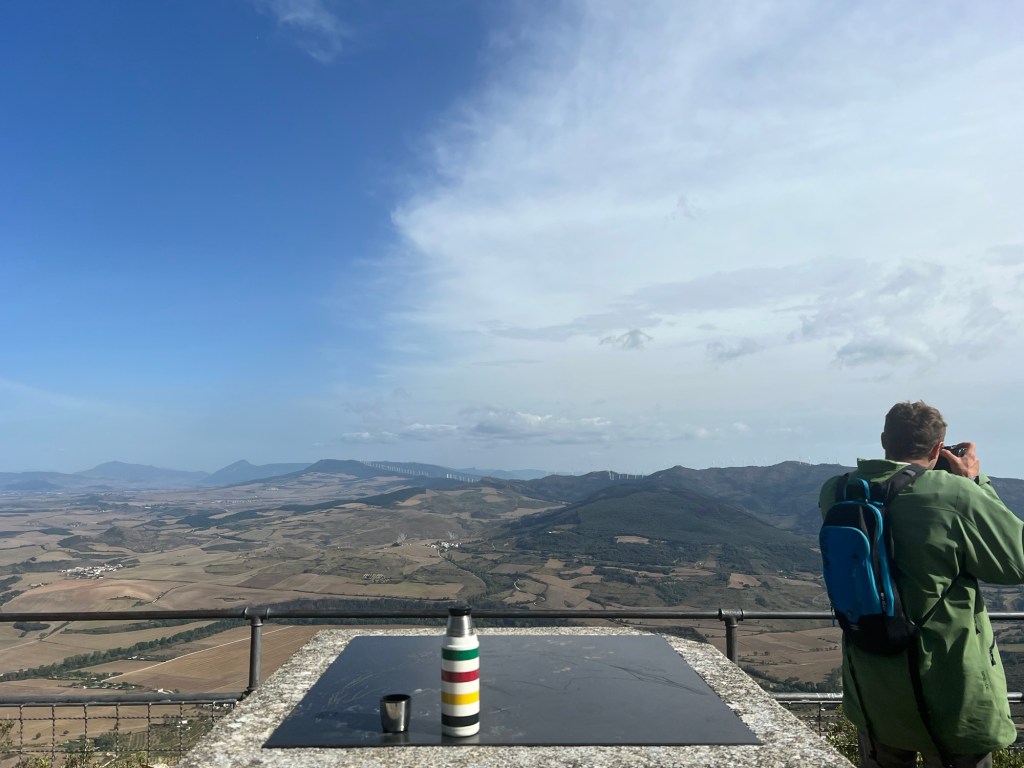
Some Fun Facts About Pamplona:
- Pamplona is the capital of the Navarre region, located in northern Spain.
- The Fiesta de San Fermín, or the Running of the Bulls, takes place every year from July 6th to 14th, attracting thousands of visitors.
- Pamplona was founded as a Roman settlement called Pompaelo in the 1st century BC.
- The Camino de Santiago, the famous pilgrimage route to Santiago de Compostela, passes through Pamplona, making the city an important stop for pilgrims.
- Pamplona is apparently known for its Basque cuisine, particularly tapas (called pintxos here) and local specialties like chistorra (a type of sausage) and tarta de Santiago (a traditional almond cake).
 Boondock Puffins
Leave a comment