
If you’re after a dose of Spanish countryside with a side of historical grandeur and just a hint of insect warfare, then Castile and León may well be your spiritual home. It’s the kind of place where Romanesque churches peek over golden hills and the quiet is only broken by the gentle whine of your own exasperation at yet another swarm of flies.
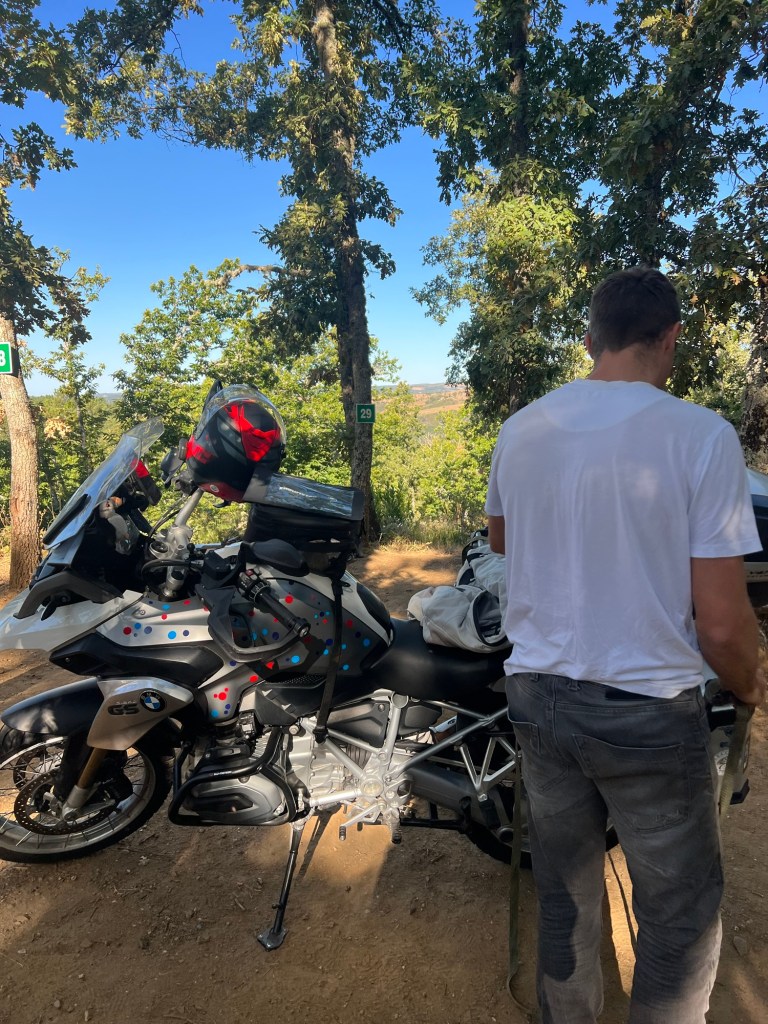
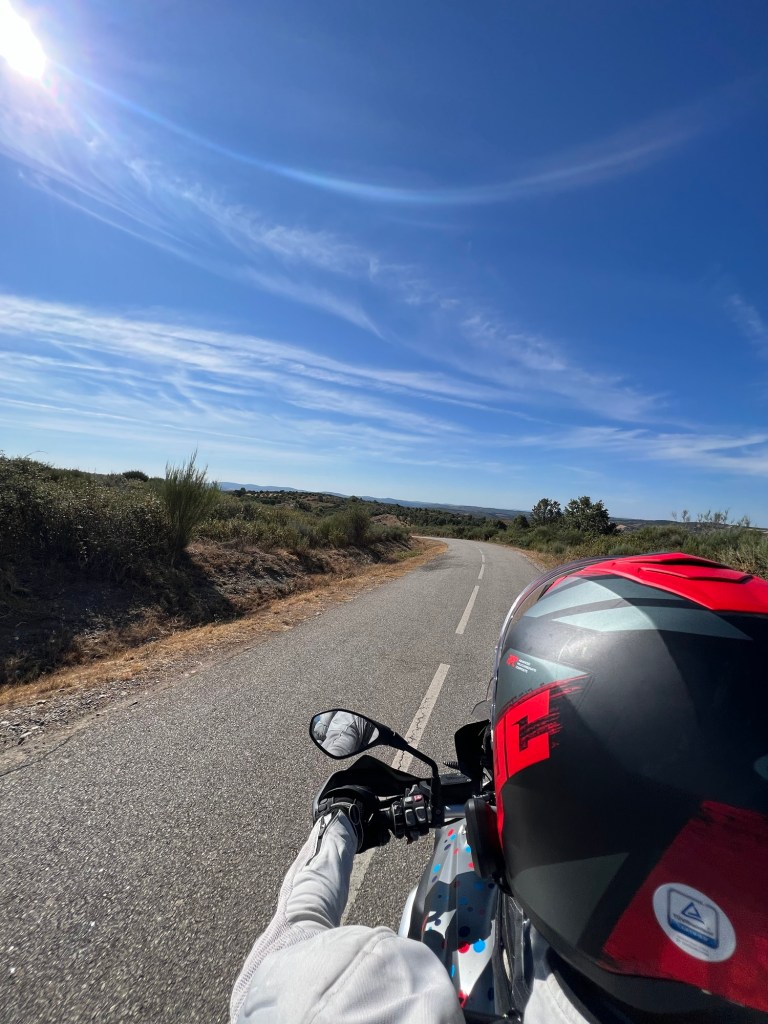
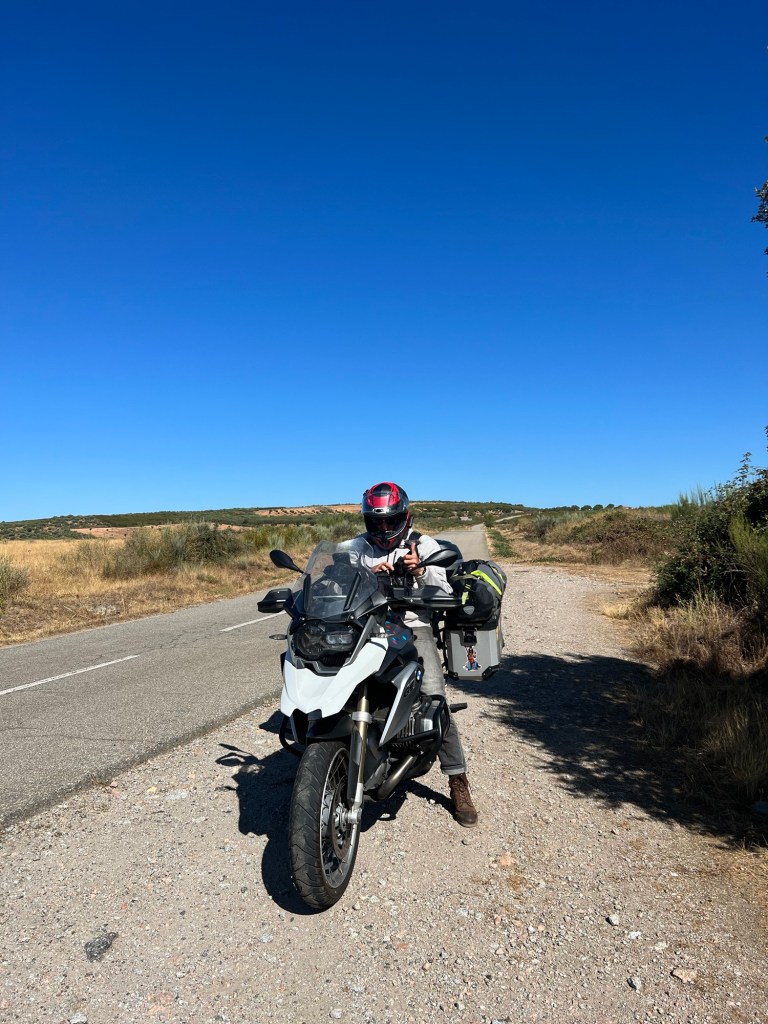
Our day began with what I’d call an “accidental lie-in,” which is a polite way of saying we both completely ignored the alarm and didn’t feel even slightly guilty about it. The camp was peaceful. Birds chirped. Sunlight filtered through the tent in that way Instagram filters try and fail to replicate. Then we opened the tent flap.
Flies. Millions of them. Possibly billions. They launched a coordinated aerial assault – straight into ears, eyes, and anywhere else they could lodge themselves in a bid for attention. Nature, it turns out, is sometimes best appreciated through a zipped-up mesh window.
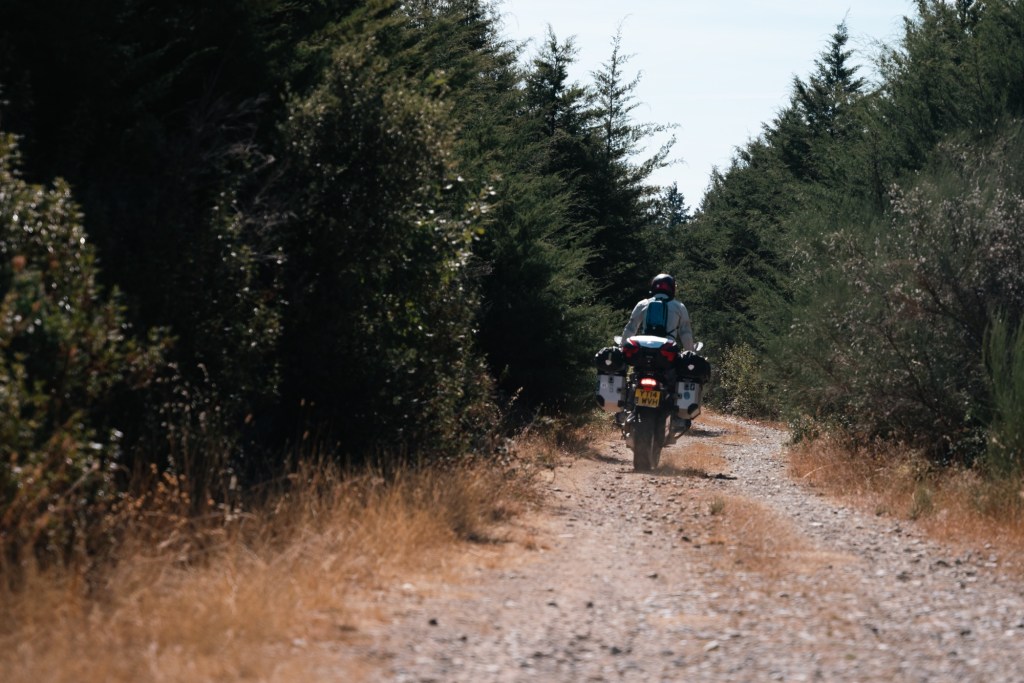
While fighting off the micro-locusts, we discovered one of the panniers had jammed open. Not ideal when you’re trying to keep things secure and aerodynamic. Fortunately, Tom – channeling his inner Hammond, May and Clarkson – fixed it with a lot of grumbling, some choice language, and the sort of face-slapping reserved for either persistent flies or gentle existential crises.
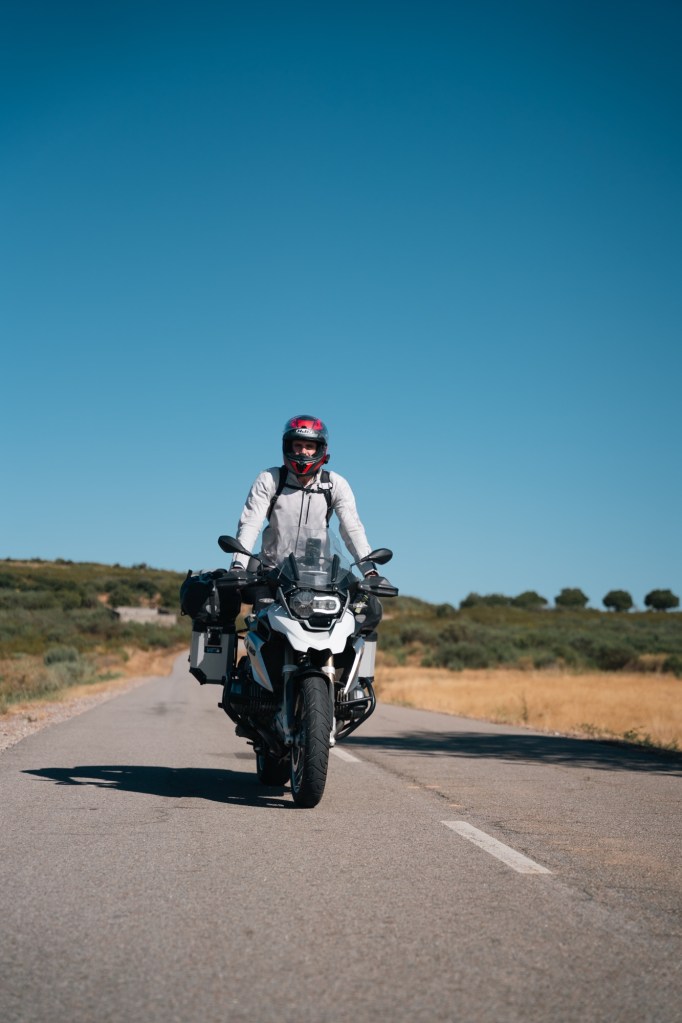
After a coffee strong enough to resuscitate a dead bull, we hit the road. The route? Endless rolling nothingness. But the nice kind of nothingness – big skies, dry stone walls, vineyards sprawling in every direction, and the occasional bodega (which, by this point, we’d decided must be a catch-all term for ‘place with wine and possibly cheese’).
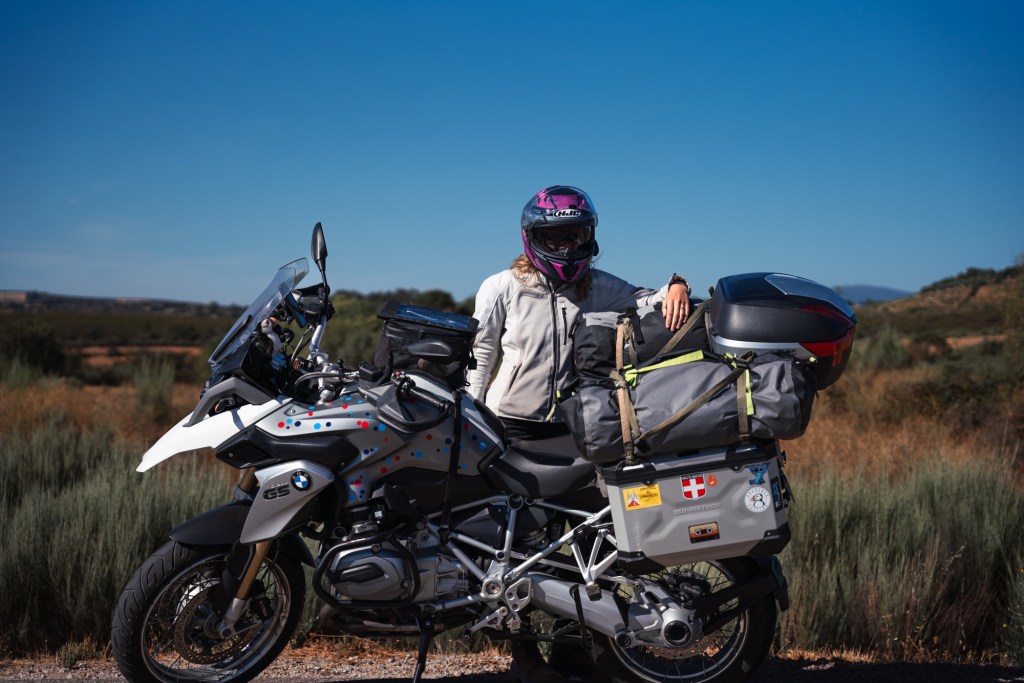
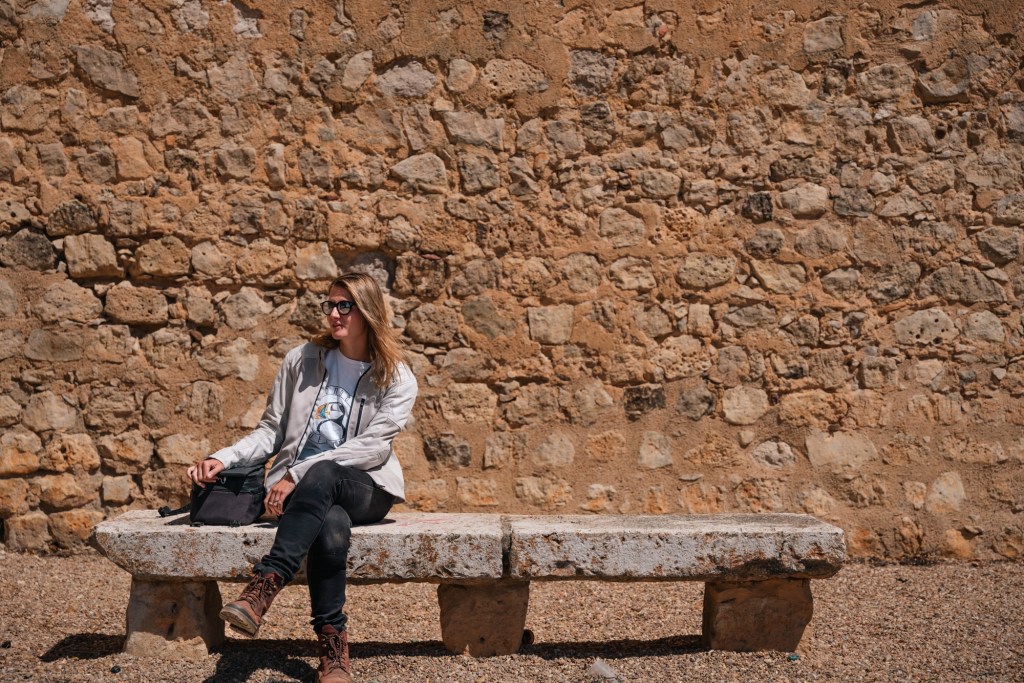
First proper stop: Zamora. Brief but charming, like the sort of friend who shows up for a party, brings great snacks, and leaves before anyone starts crying. Then it was on to Toro, a town that sounds like a red wine – and, fittingly, is famous for exactly that. This place is Spain on a postcard: wheat fields, terracotta roofs, and old men who look like they were carved from granite sitting in sunlit plazas.
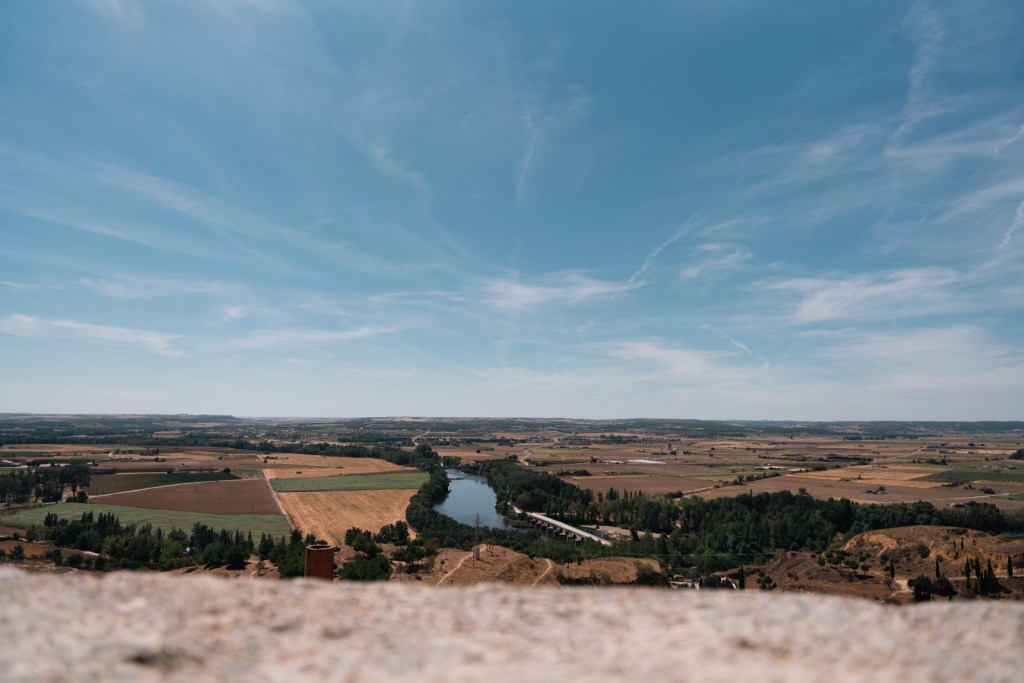
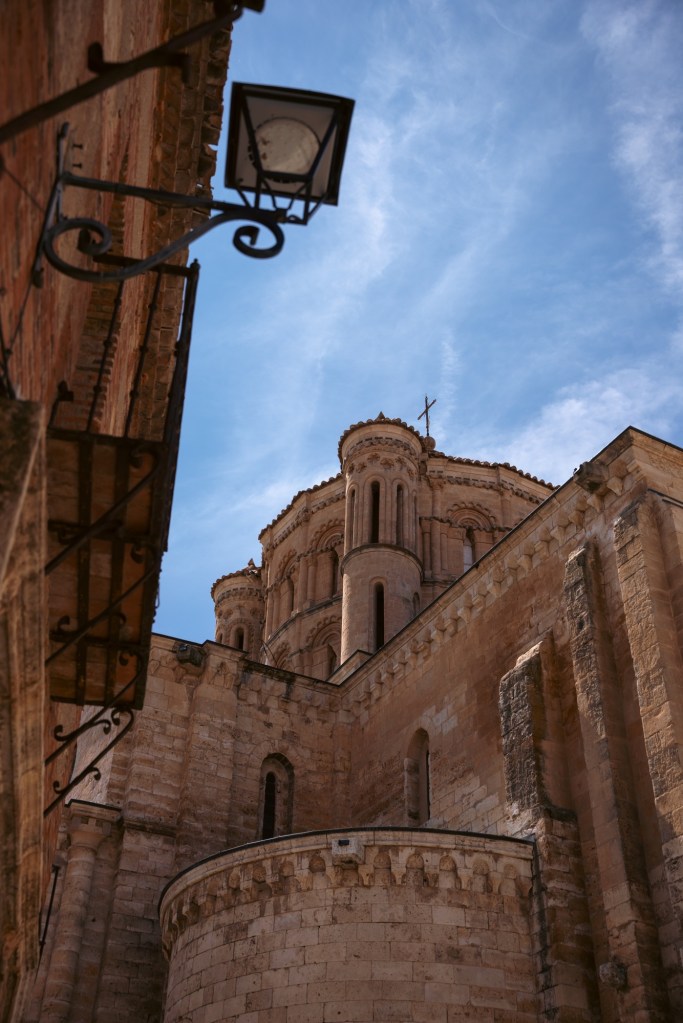
Toro has history. Not in the “we once had a village fete in 1976” sense, but in the “this church hosted royal coronations and might have seen actual sword fights” sense. The Colegiata de Santa María la Mayor looms over the town like an ageing but very regal lion. And nearby, the Castillo de Toro offers panoramic views across the plains that look like they haven’t changed since knights in chainmail were clunking about. It’s a town that quietly exudes dignity, with just a hint of smugness.
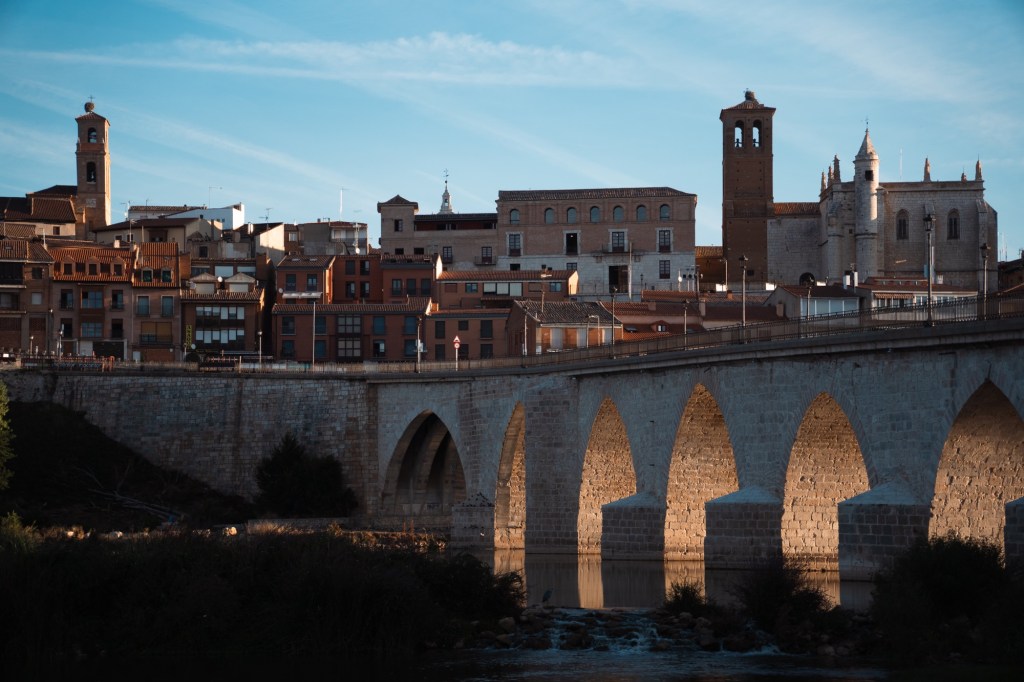
From Toro, we made our way to our campsite for the night in Tordesillas. We were, by now, hangry – an underrated but dangerous emotional state where hunger and rage meet to form something uniquely unpleasant. A frantic dash to the shops ensued, where we bought far too much food with absolutely no plan for what to do with it. Chocolate milk and bread were consumed with the fervour of people who’d just discovered fire.

Tordesillas, by the way, is the site of one of the most significant historical agreements in human history. In 1494, Spain and Portugal met here to divide up the newly “discovered” world in a move that basically said: “You take that half of the planet, and we’ll take this half.” Subtle it wasn’t, but effective? Absolutely.

We didn’t get to see the actual church where it was signed, but that gives us a decent excuse to come back, and we’ll never regret having an excuse to return somewhere with that much historical swagger.
Back at camp, the sun was blistering, so we made a beeline for the pool. Unfortunately, the laundry situation wasn’t quite so refreshing: one machine for an entire site meant a lot of waiting around in damp swimwear. Glamorous, this lifestyle is not.
Then came the ants. Somehow, during our absence, they’d decided our camping gear made a perfect new colony. There was a moment where I questioned whether the ants, flies and wasps were unionised, working together to drive us to a hotel. But we fought back with soap, fury, and a slightly broken jet boil.
Which brings us to the gas canister. The one we’d bought the day before. Expensive. Shiny. Completely incompatible with any stove known to man. Of course. At least the campsite had one that worked, and we finally cooked up a hot dinner.
The final triumph of the day? Clean clothes. Fresh, warm, lovely-smelling clothes. I cannot overstate how euphoric that is after several days of dusty camping. If you haven’t squealed in delight at clean socks, you haven’t truly lived outdoors.

Camping El Astral, for all its quirks, was a solid find. It had washing machines, an actual dishwasher (a highlight that says worrying things about our current priorities), and a café where you can collapse in a chair and pretend you’re in a Hemingway novel.
From antique castles to insect invasions, today was a perfect slice of the Castilian road trip – part history lesson, part comedy of errors, and 100% unforgettable. Highly recommend, flies and all.
 Boondock Puffins
Leave a comment