You always imagine camping in northern Spain will be all sun-drenched cliffs and azure skies, don’t you? The sort of place where your tent flap opens onto a Mediterranean postcard, and you eat olives straight from the jar while wearing sunglasses at 9am.
Well. Not quite.
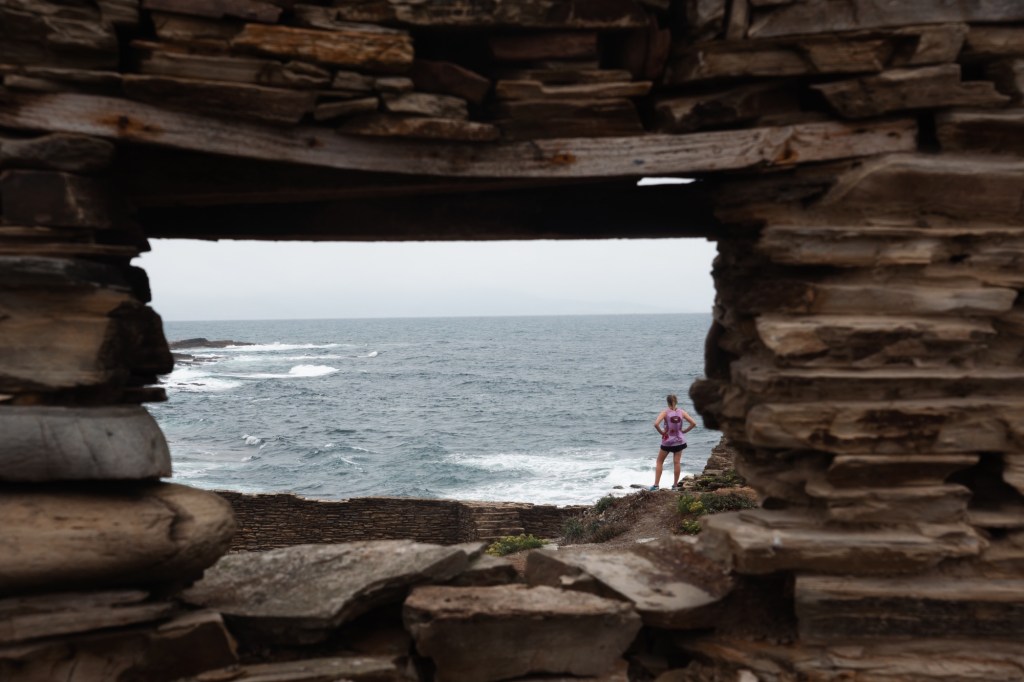
We rolled into Camping Rinlo Costa, just outside Ribadeo, under glorious blue skies – warm air, sea breeze, the works. Spirits were high. But by midnight the heavens opened with the kind of enthusiasm usually reserved for tropical storms and budget airline sales. It bucketed down all night and well into the next morning, hammering the tent with such force that I briefly wondered if we might wake up floating halfway to Portugal.
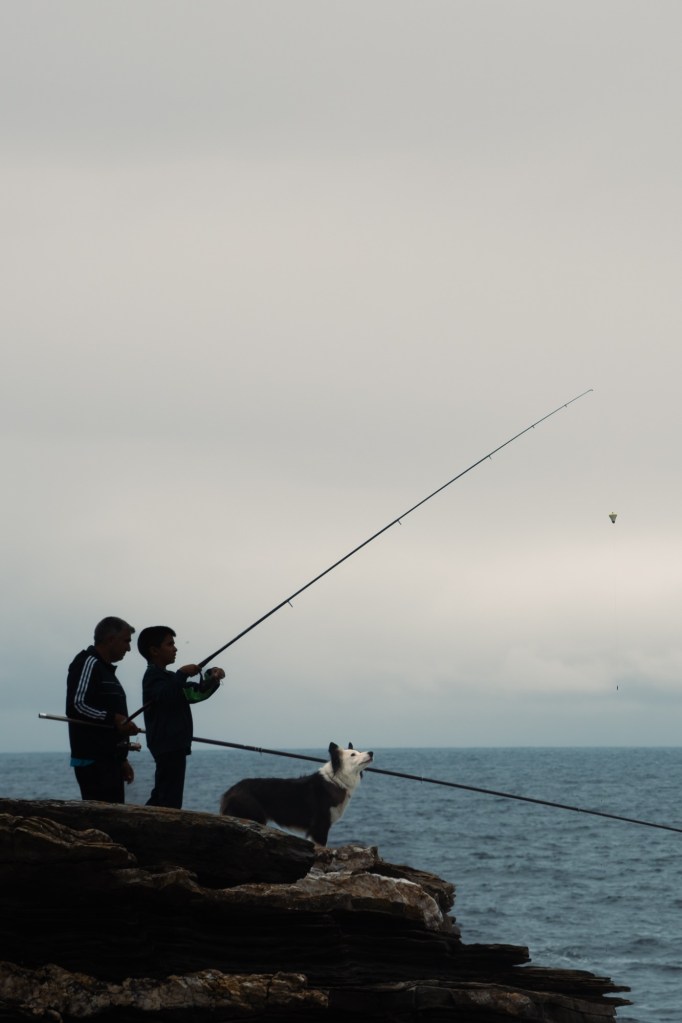
Eventually, the weather relented just enough to go for a coastal wander into Rinlo, a tiny fishing village clinging to the edge of the map. It’s the sort of place where time slows down, and the harbour looks like it hasn’t changed since nets were knotted by hand and barnacles were a full-time job. Which, funnily enough, they still are – Rinlo is known for its shellfish farms and even hosts the Festa do Percebe, a summer festival dedicated entirely to barnacles. Yes, barnacles. Only in Spain could something normally scraped off boat hulls be given the full musical and culinary treatment.
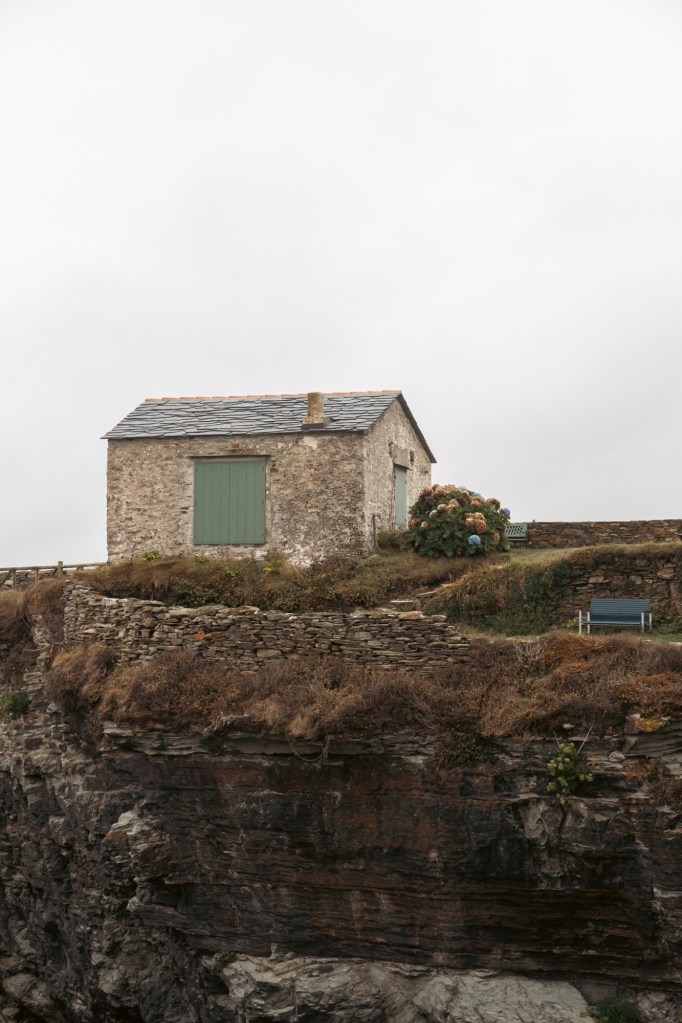
As the sky cleared, we found ourselves perched on the cliffs with a tub of pasta (travel tip: always make extra) watching a sunset so spectacular it could’ve been painted. The sea glowed gold, the clouds stopped sulking, and for a brief moment, we looked like people who actually knew what they were doing.
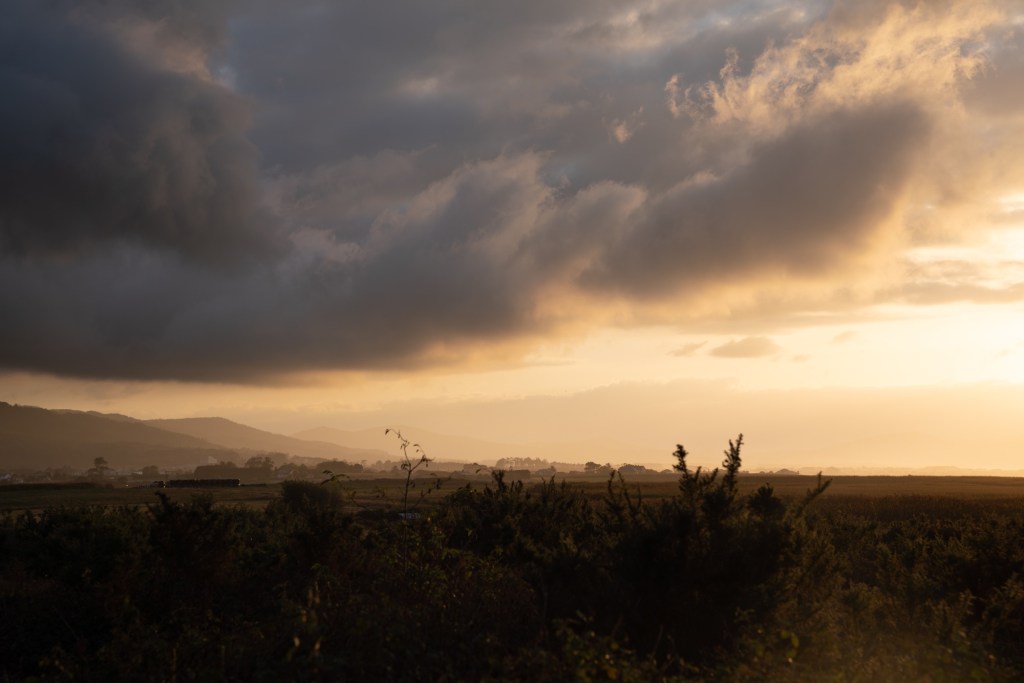
The next morning began with porridge and fudge, our foolproof camping breakfast, and we headed inland. Somewhere past O Barreira, the world became suspiciously quiet. Towns appeared abandoned, roads were eerily empty, and we started to wonder if we’d missed a memo about some sort of mild apocalypse. Is Spain always this silent on a Saturday? Has everyone left? Was there a football match?
Rain began again in sudden, soaking bursts, forcing us into our full waterproof kit—a flattering ensemble in no way reminiscent of toddlers in puddle suits. We pressed on, trying not to think too much about the rapidly declining feeling in our fingertips.

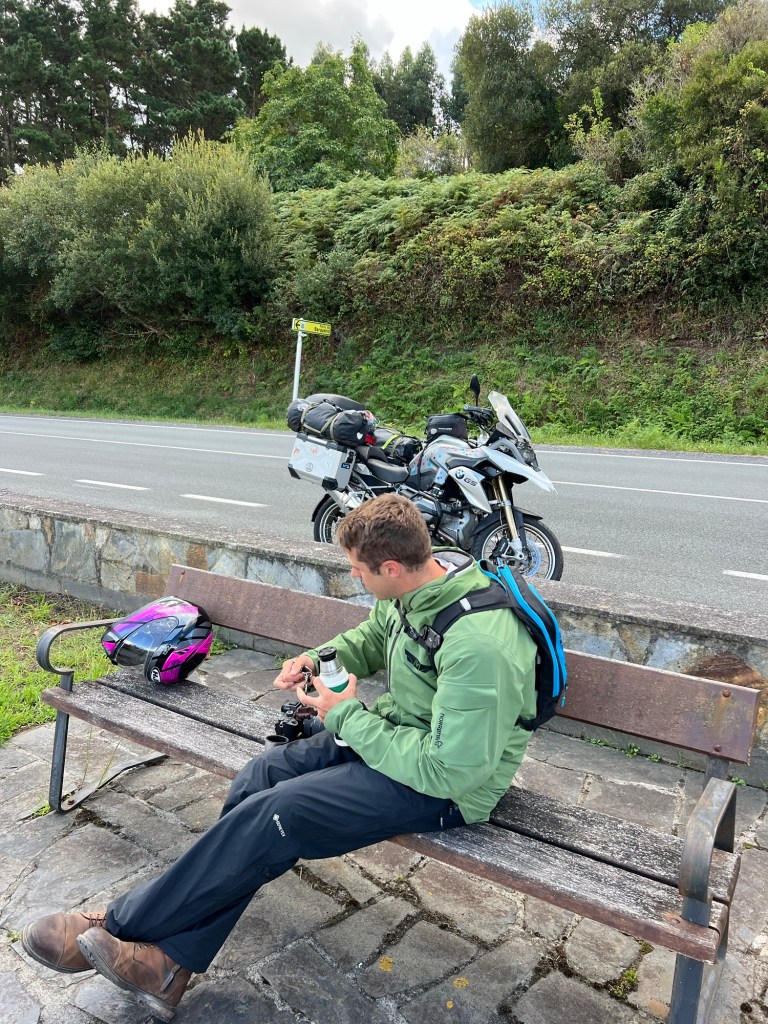
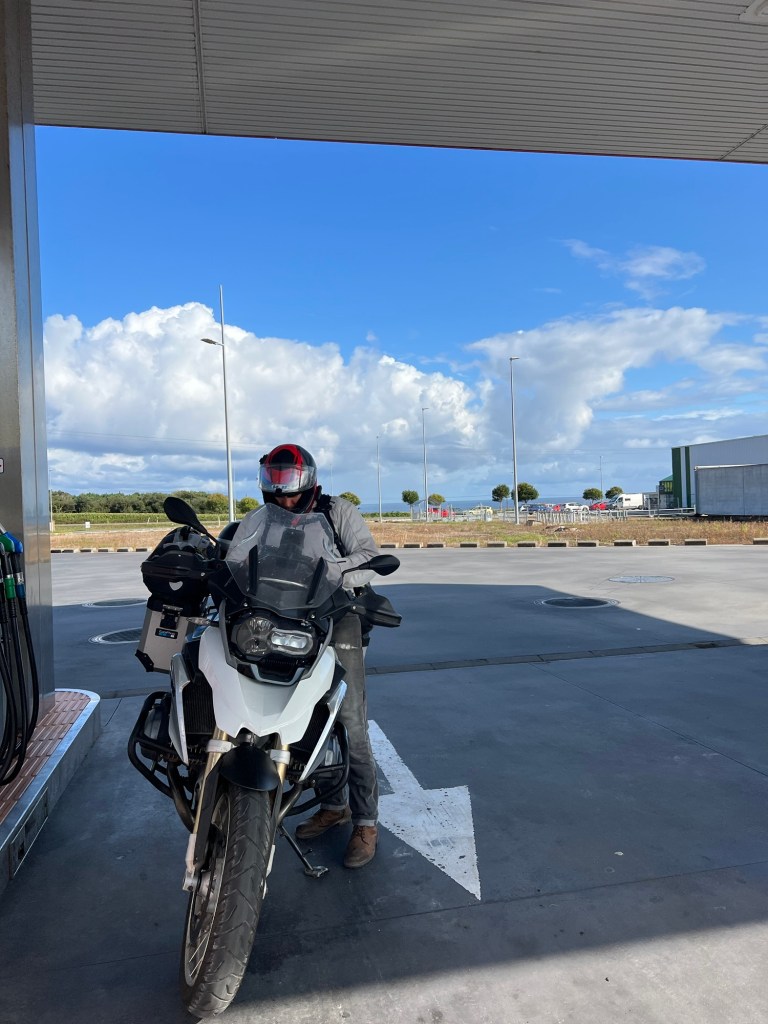
Eventually, we stopped at a local café/shop/hybrid-of-mystery in a village so small it didn’t appear to have a name. Inside, the coffee was hot, strong, and, astonishingly, affordable. We warmed up, recalibrated our route, and tried not to stare too obviously at the laminated snacks from 2008.
By this point, both of us were feeling the toll of long-distance riding. I was properly cold for the first time in a while, my fingers, toes and general spirit were beginning to lose sensation, and Tom’s shoulders were waging a silent rebellion. This is the point in any road trip when you realise you’re not built like Ewan McGregor. You’re built like a human being who really wants a bath.
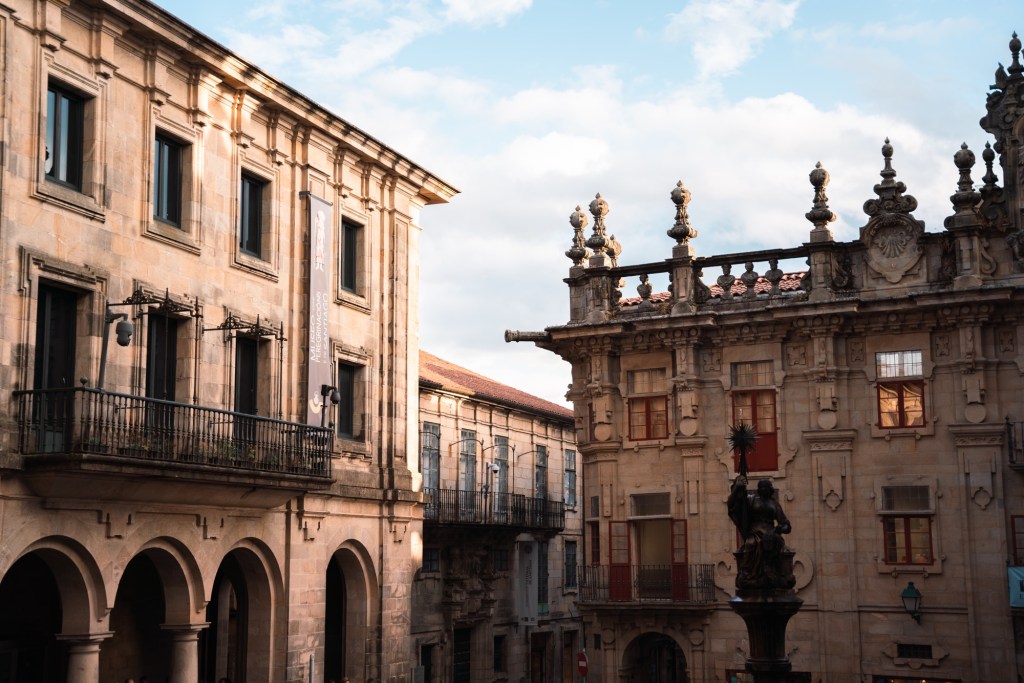
We pulled into Santiago de Compostela around 2pm. You can’t not visit a place with a name that good. It sounds like it should be printed on wine bottles and whispered in candlelight. The campsite, though steep at €31 (a figure we’re still emotionally unpacking), was safe, clean, and, mercifully, flat.
Dinner came courtesy of Carrefour: cold meats, bread, a suspiciously long spring onion, some heroic mini cucumbers, and €1.30 fizz that may or may not have legally qualified as sparkling wine. We returned to camp, dined like kings in fleece layers, and then made the excellent decision to walk into the city centre.
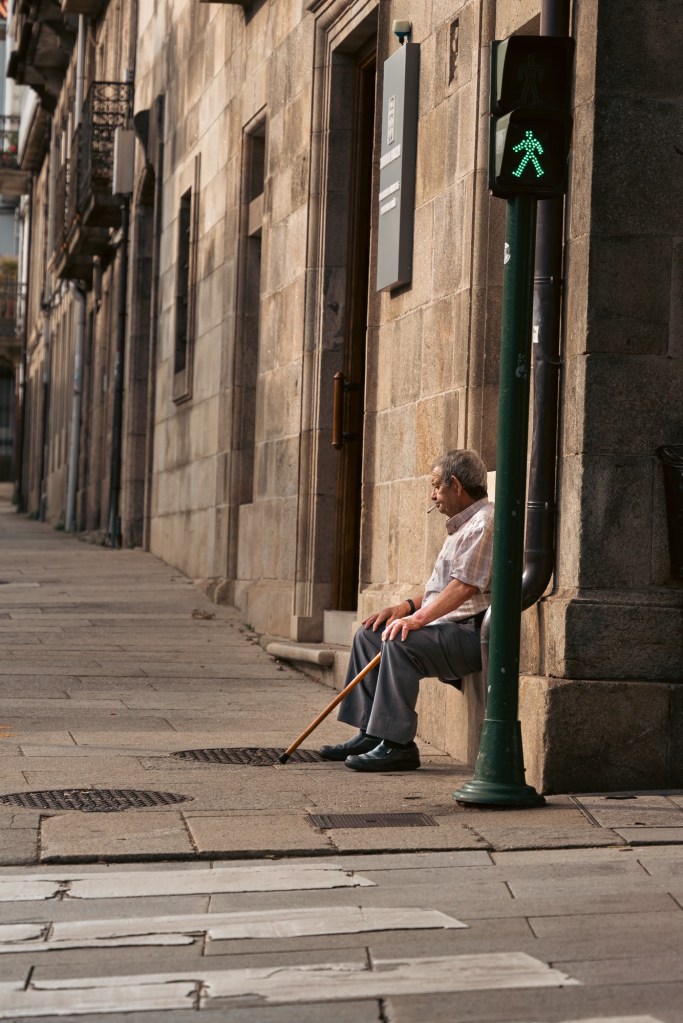
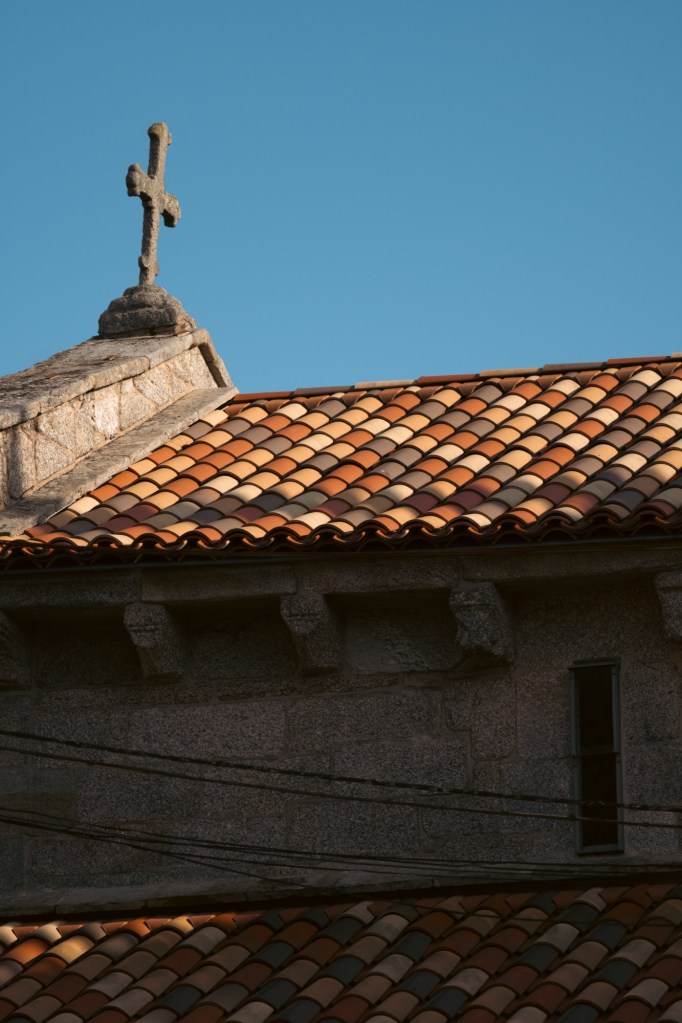
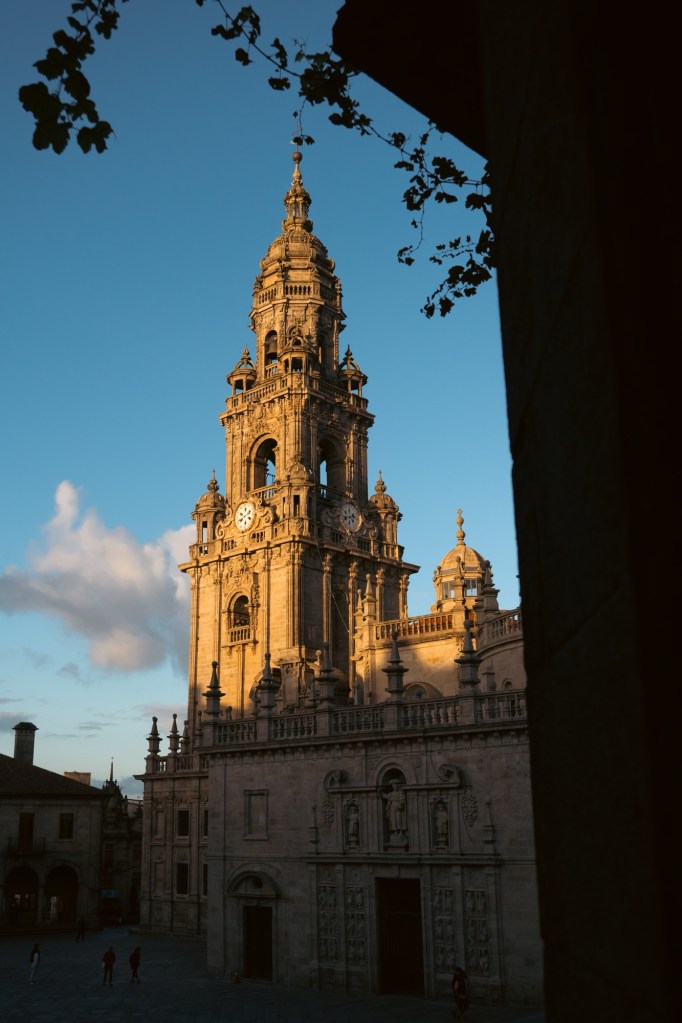
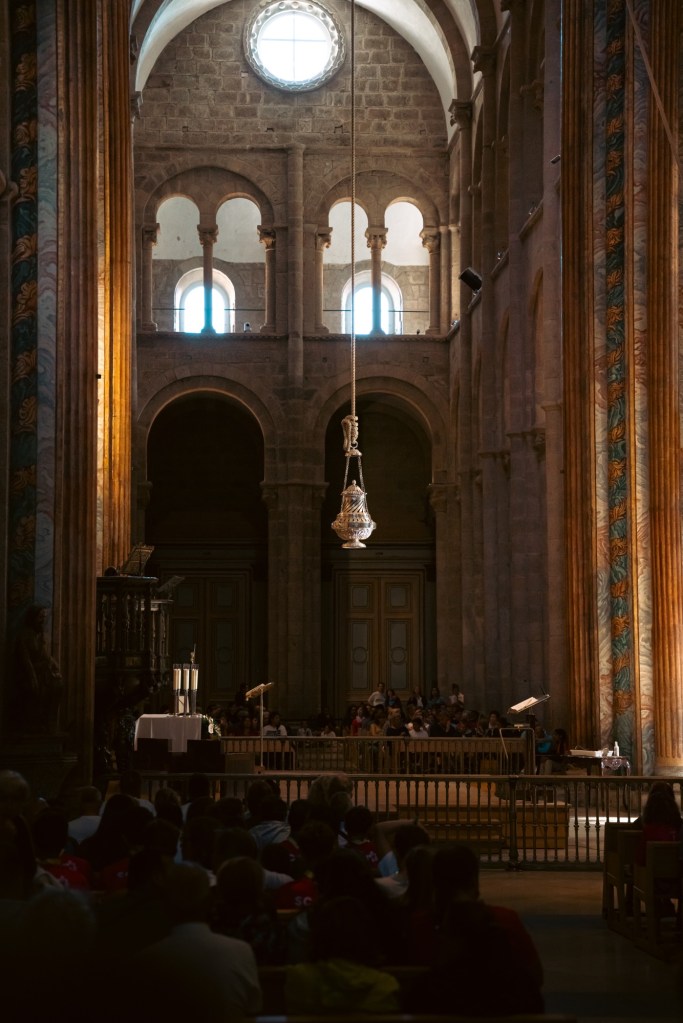
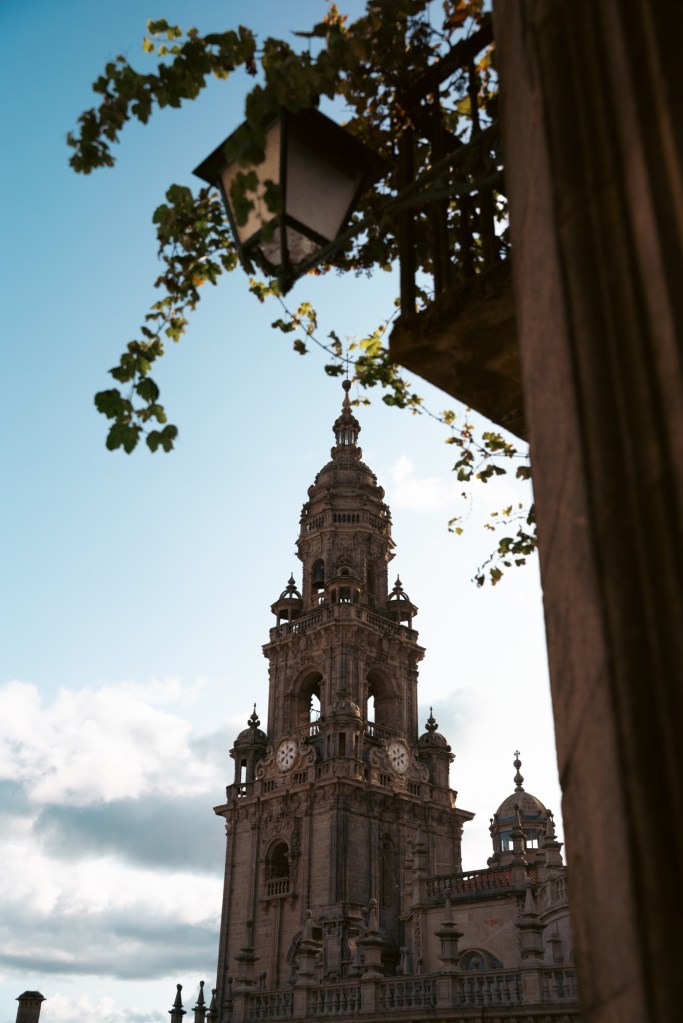
Santiago is, there’s no other word, stunning. The streets are cobbled, the buildings ancient, and everything feels touched by history and holy footsteps. We joined the cathedral queue on a whim and, by what felt like divine coincidence, were the last two people let in. There’s a special kind of thrill in that – the sort of thing that makes you feel chosen and very slightly fraudulent.
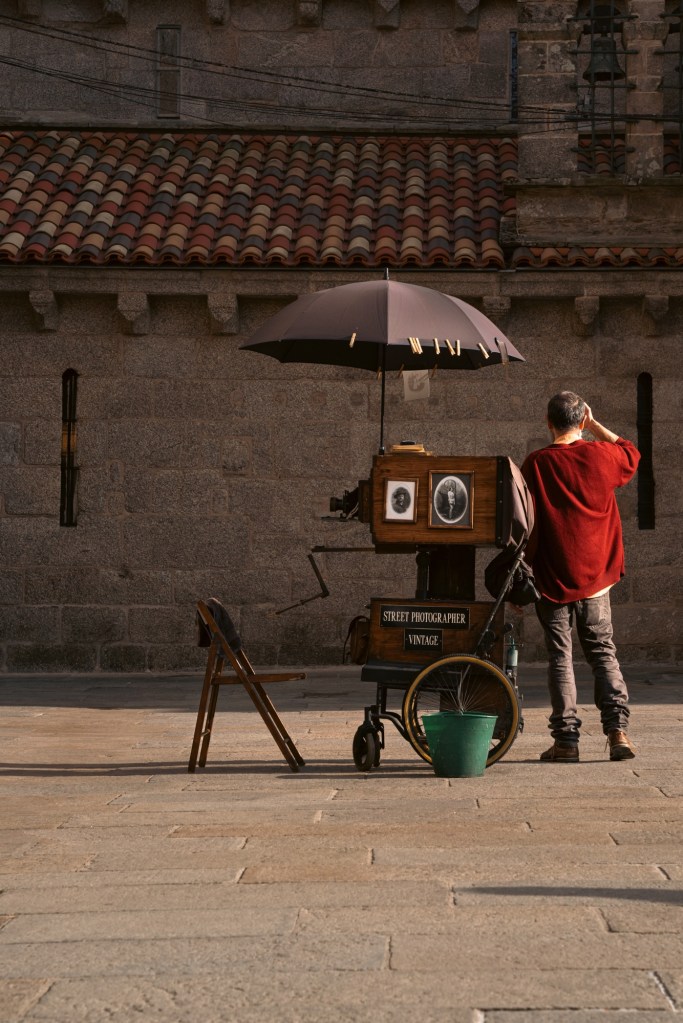
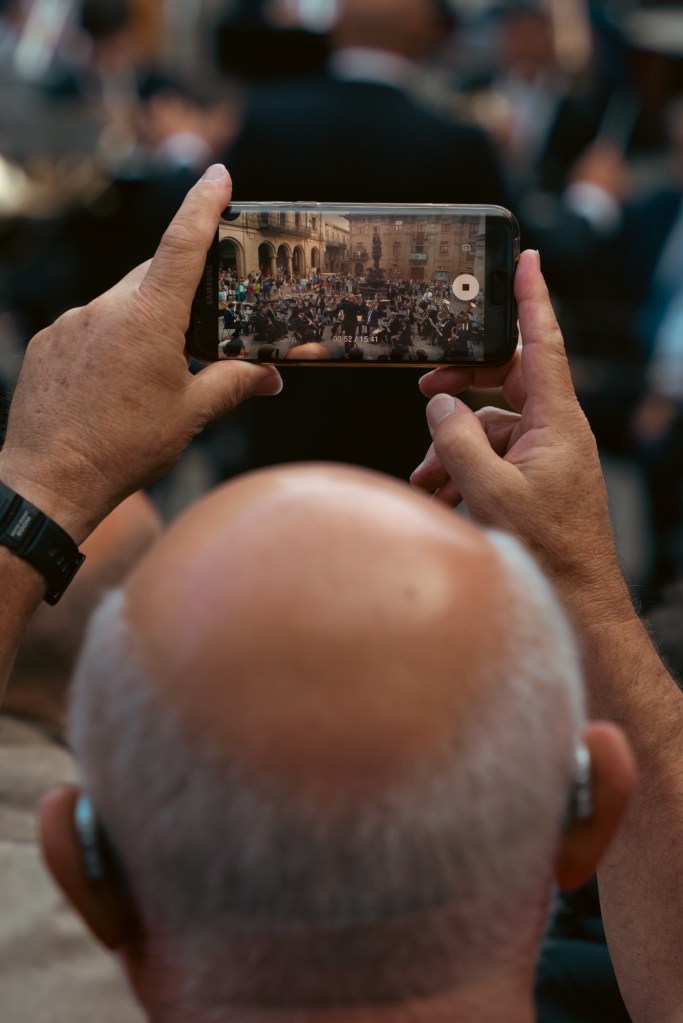
Later, we stumbled upon an open-air orchestral concert in a square. It started “raining” (by English standards, a barely noticeable misting), which prompted most of the audience to scatter. Being British and therefore immune to drizzle, we stayed put and gained front-row seats on the steps.
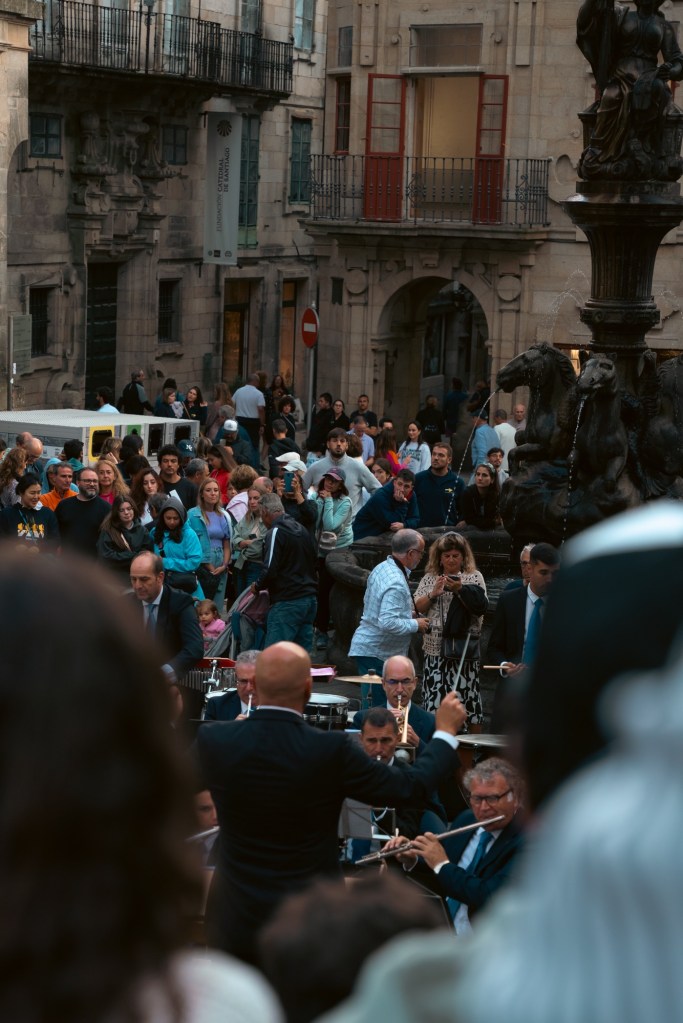
The concert itself was… unintentionally brilliant. The percussion section was a case study in youthful chaos. A small boy with cymbals missed every cue with unwavering confidence. A girl on shakers marched to her own internal rhythm, somewhere in an entirely different time signature. And the bagpiper – yes, there was a bagpiper – powered through half a bar ahead of everyone else, as if the rest of the orchestra simply couldn’t keep up. It was a delight.
Back at the tent, we finished our bread with olive oil and vinegar, took hot showers, and settled in with fruit and hot chocolate. Tom made me a hot water bottle (the real MVP of camping gear), and we climbed into our sleeping bags like contortionists in training.
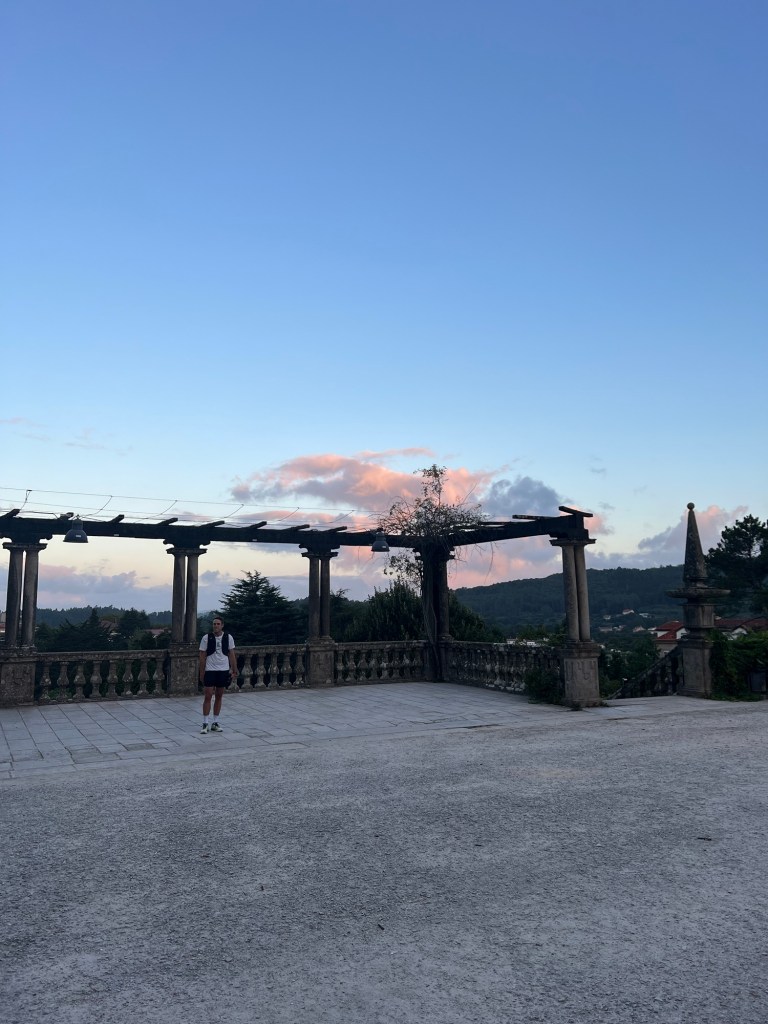
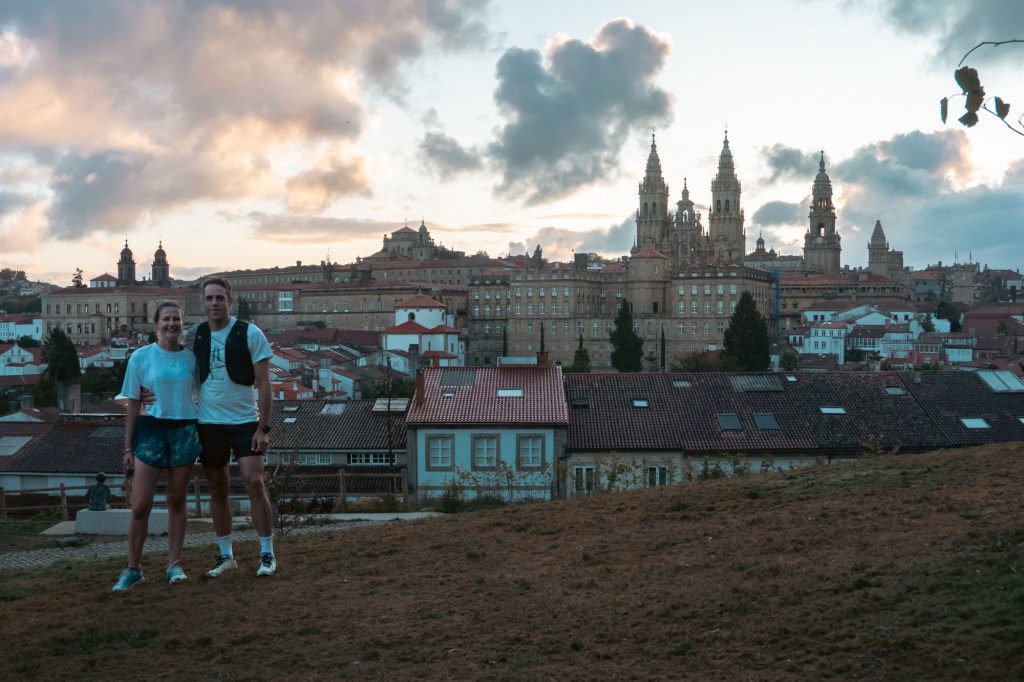
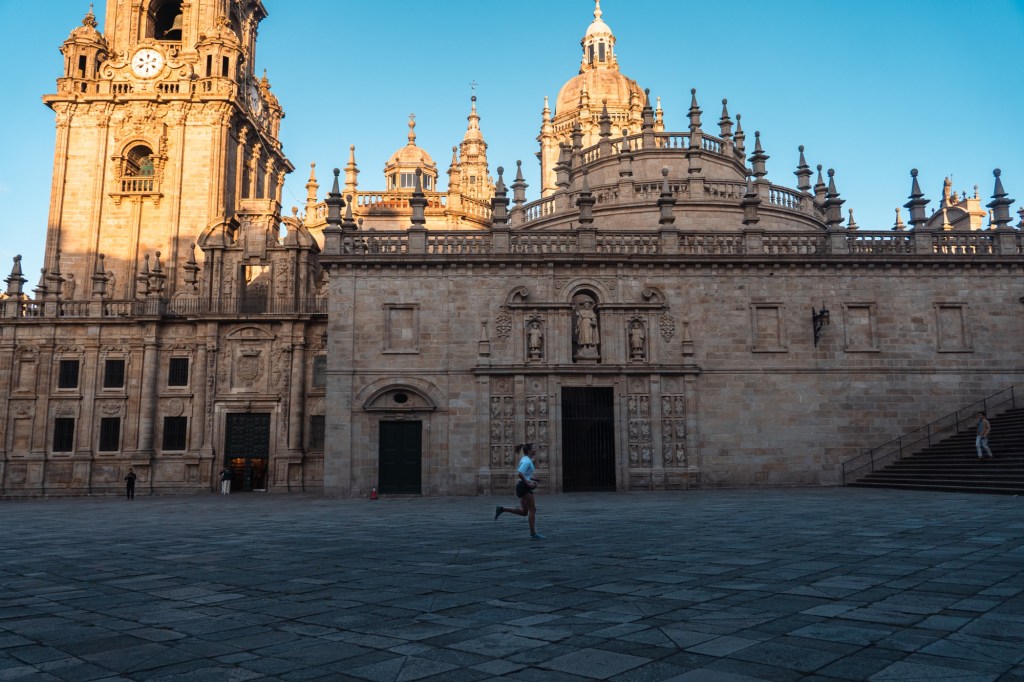
The following morning, we rose with the sun and jogged through the waking streets of Santiago. If you’ve never explored a city at that hour, when it’s all soft light, empty streets and quiet movement, you really must. It’s like being given backstage access to a place before the crowds arrive.

And so, slightly tired but thoroughly content, we packed up again and pointed the bike southwards.
 Boondock Puffins
Leave a comment