We are not normally tour sort of people, but there are times to accept that you need to be herded like a sheep in order to access certain places, particularly in a country when you have no access to transport and said place you want to visit is several hours away.
As a result, on our third day in Cusco we got up early, picked up our rucksacks that had been officiously packed the night before and set out to meet our guide who had said he would arrive at 7am and had asked us not to be late. Unfortunately we remembered too late that time is a relative term in Peru and 7am sharp means really anytime from 7.30am onwards. Eventually our lovely guide Carlos arrived at 7.40am and told us a bus would pick us up in 10 minutes.
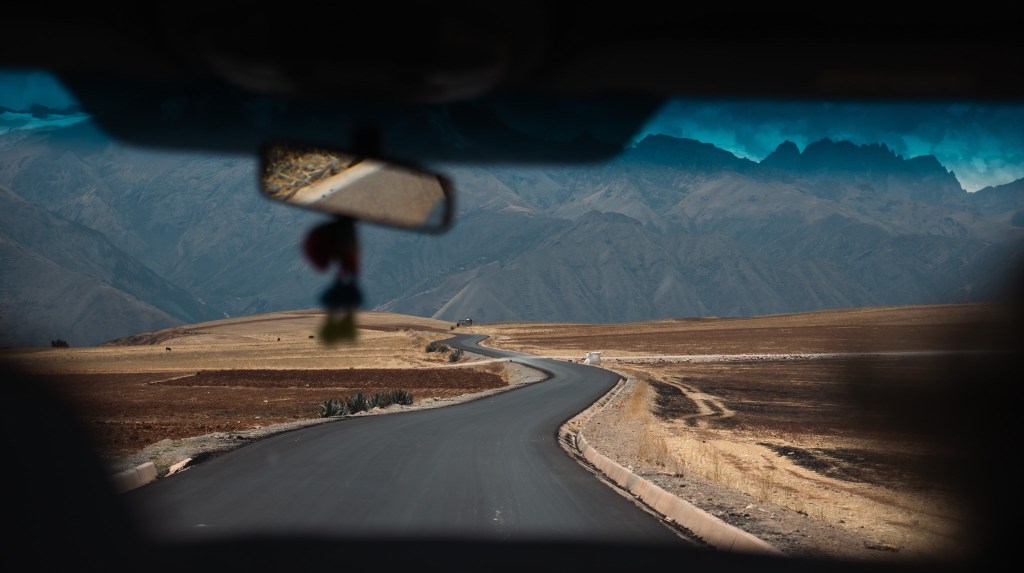
Safe to say, we happily climbed aboard our bus at 8.10am, giving ourselves over to the travelling spirit. Despite being a cheap tour which warned that it was likely to be a group of at least 20 people, we were on an unpopular day and found ourselves joined by just 4 others – a Spanish couple who were that odd mix of being middle aged but viewing themselves as uber-cool early twenty-somethings with both of them wearing matching tight jeans, leather jackets, cropped spikey haircuts and sunglasses. Picture backstreet boys if they were a 40 year old husband and wife…
The other couple was an American-Nicaraguan lady and her French boyfriend. As a result of the mixed nationalities, Carlos did his best to give all information in both Spanish and English. This resulted in a stream of facts that were somewhat reminiscent of “My Big Fat Greek Wedding” if you were to replace the Ancient Greeks with the Incas as being the inventors of everything.
First stop of the day was at Chinchero, where we learnt all about guinea pigs and the best age to eat them at their most tender (apparently under 5 months). This was horrifically supported by a show of very cute baby guinea pigs that we could stroke and feed… helping them on their way to their not-so-eventual fate.
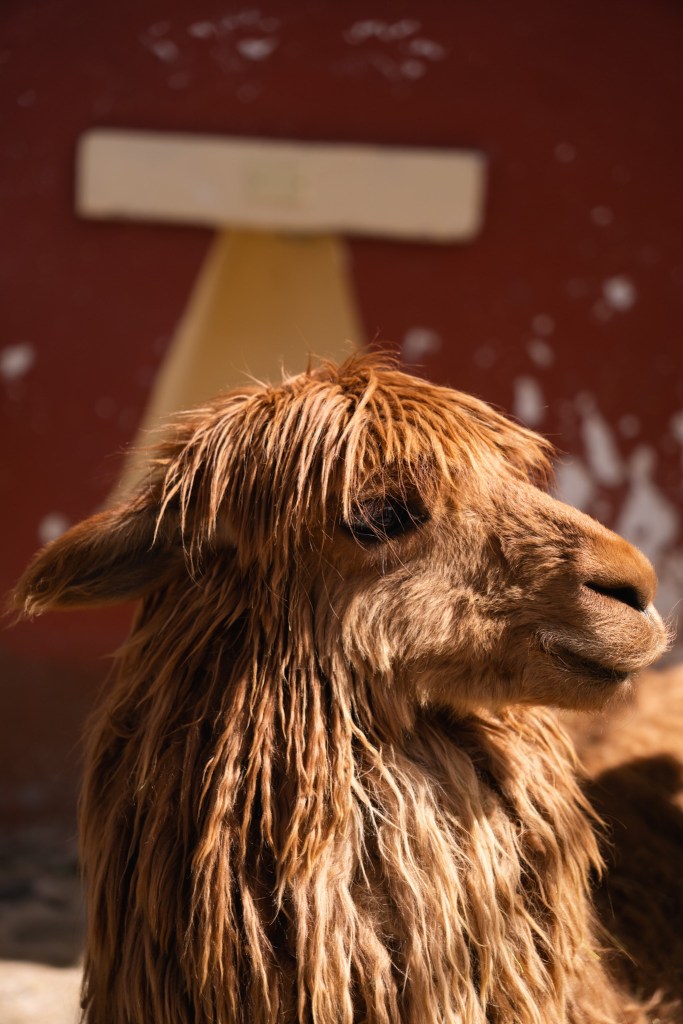
This was thankfully followed up quickly by a demonstration of how alpaca and baby alpaca wool is dyed and then woven into super soft, super warm clothing. If you end up in this area of Peru, it is worth noting that you can easily avoid the expense of alpaca wool clothing (much of which isn’t genuine in the larger touristy towns) by going a little out into the countryside.
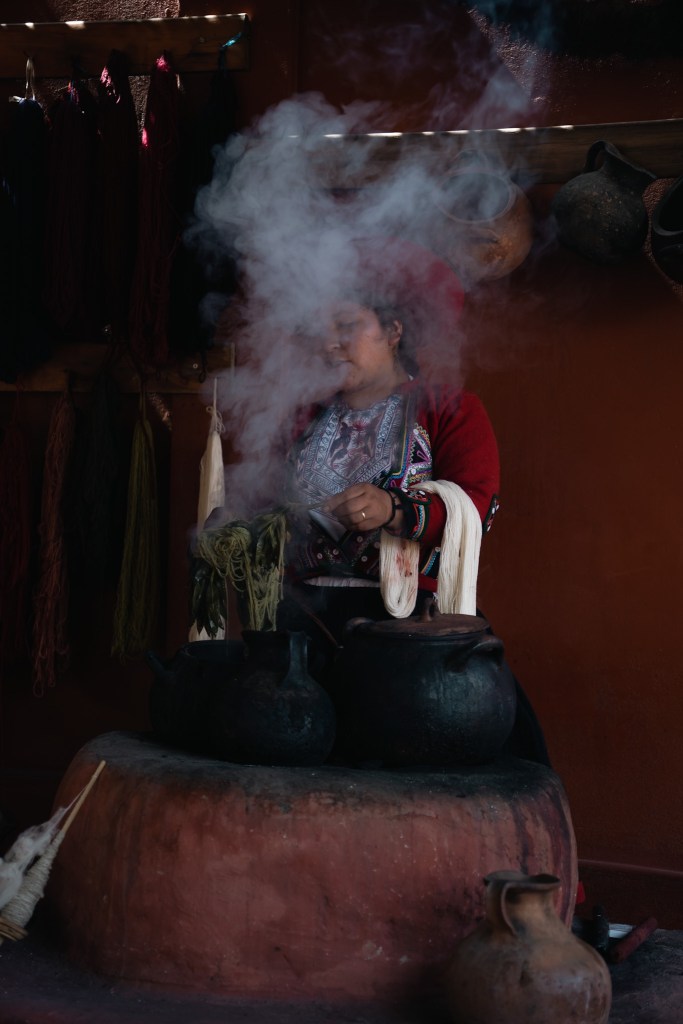
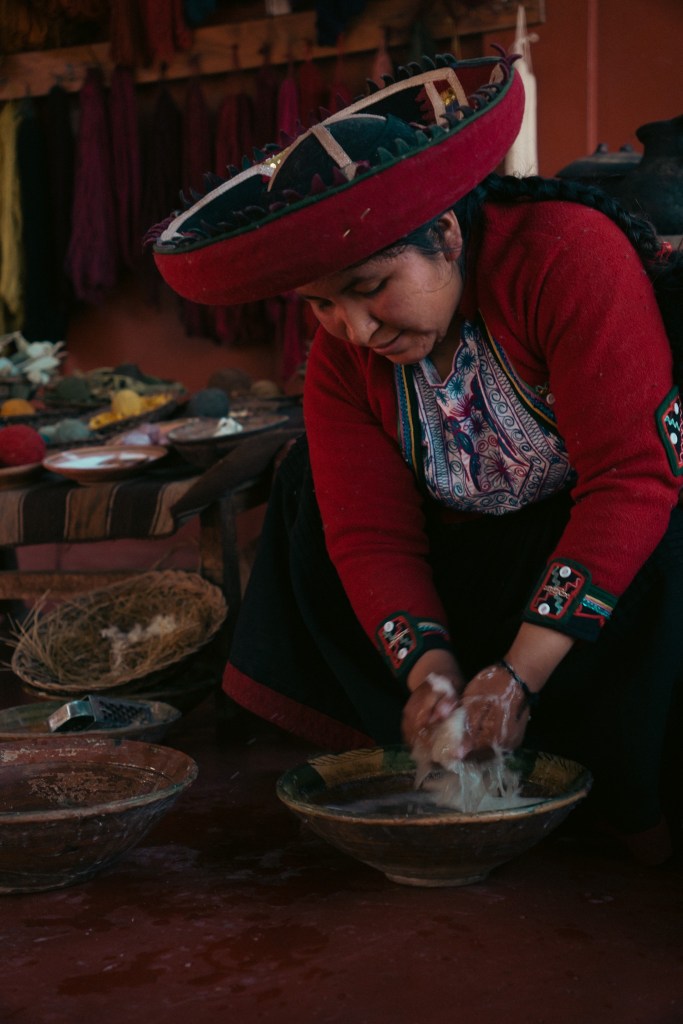
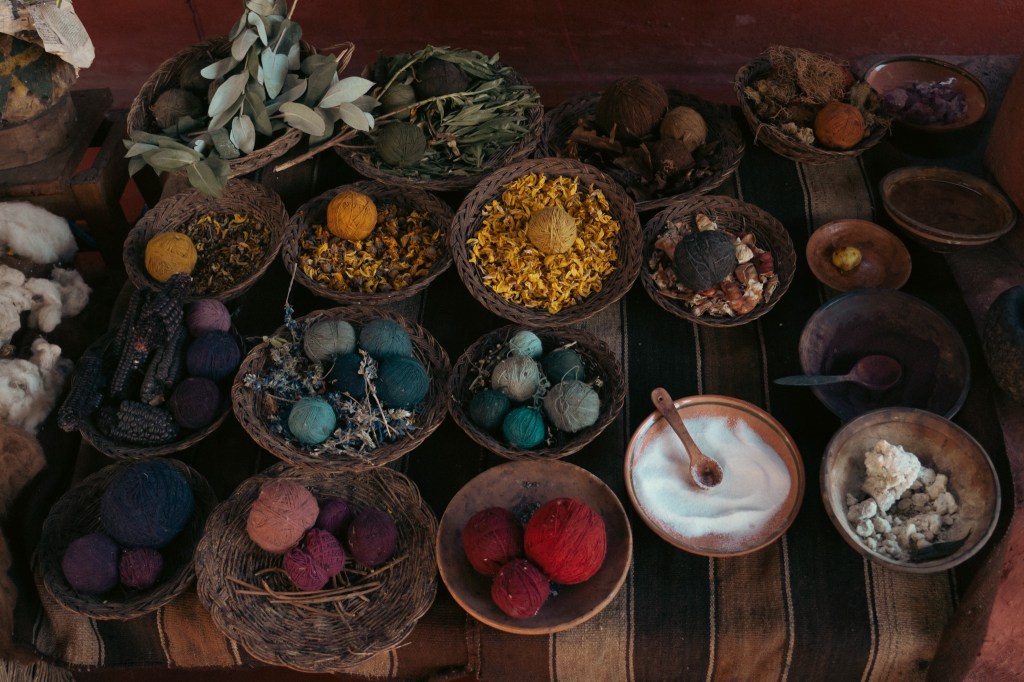
After negotiating the purchase of a jumper or two (we were once again useless at haggling and immediately gave into whatever price the ladies asked), we headed on towards Maras.
Maras is a town but this isn’t really visited as people tend to go straight to the salt mines. This is an elaborate patchwork of over 5,000 salt pools, most owned by families who work the ponds throughout the year. As we visited on a Sunday, we saw several families all out working together, the children learning the family skills so that they can take over tending the pools as they grow up.
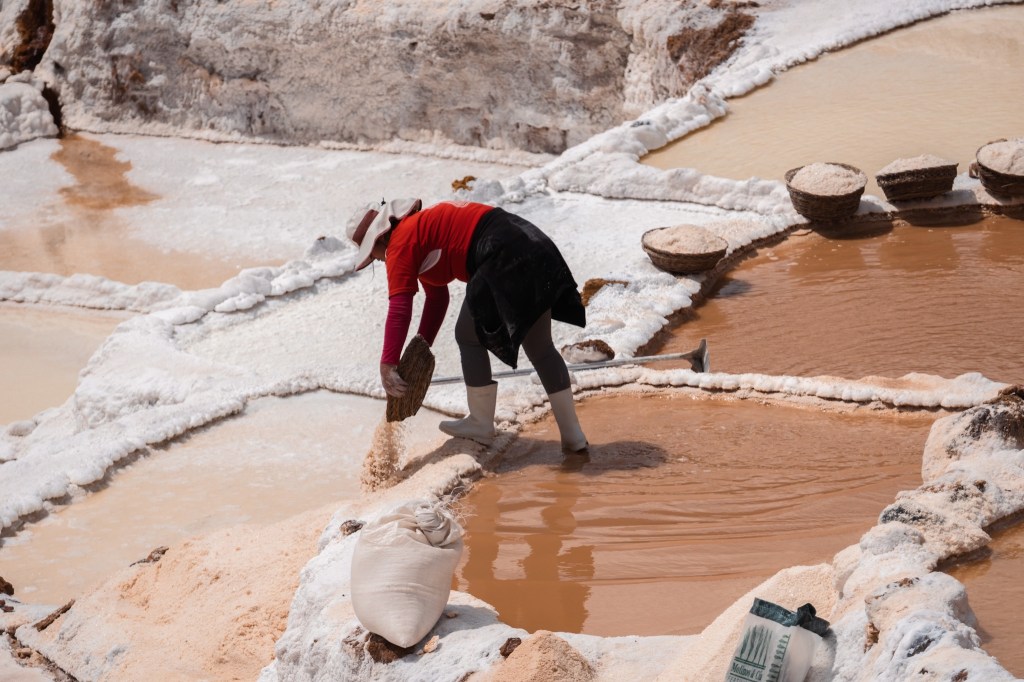
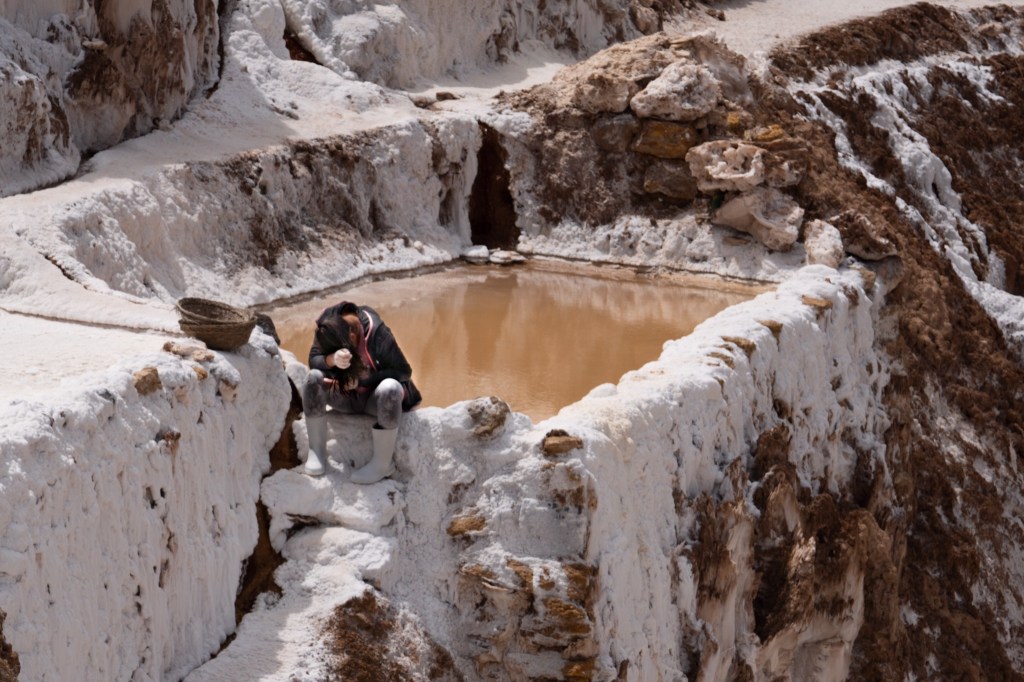

When asking about religion and practices in Peru, Carlos told us: “We Peruvians are only Catholic on a Sunday. The rest of the week we worship the earth, sun and agriculture.” A wonderful summary of religious beliefs of the region!
Next we went to Moray – a site you will probably recognise from your Windows PC desktop from a decade ago. Another Inca site, once again it is uncertain quite what this was used for, but it seems to have been a primitive veggie patch. That is almost certainly a huge insult to the intelligent science of this site – one of the most popular ideas about the site is that it was used to grow, develop and experiment with different produce. The site itself is 3,500m up but the difference in altitude between the top terraces and the bottom of the circles is 30m – as a result of this design, and thanks to the variance in wind and sun, there is a temperature difference of as much as 5 °C (9 °F) between the top and the bottom. Of course this is only a suggestion of what this site was used for, but whatever it’s original purpose, it is indisputably an oddly fascinating mystery to visit.
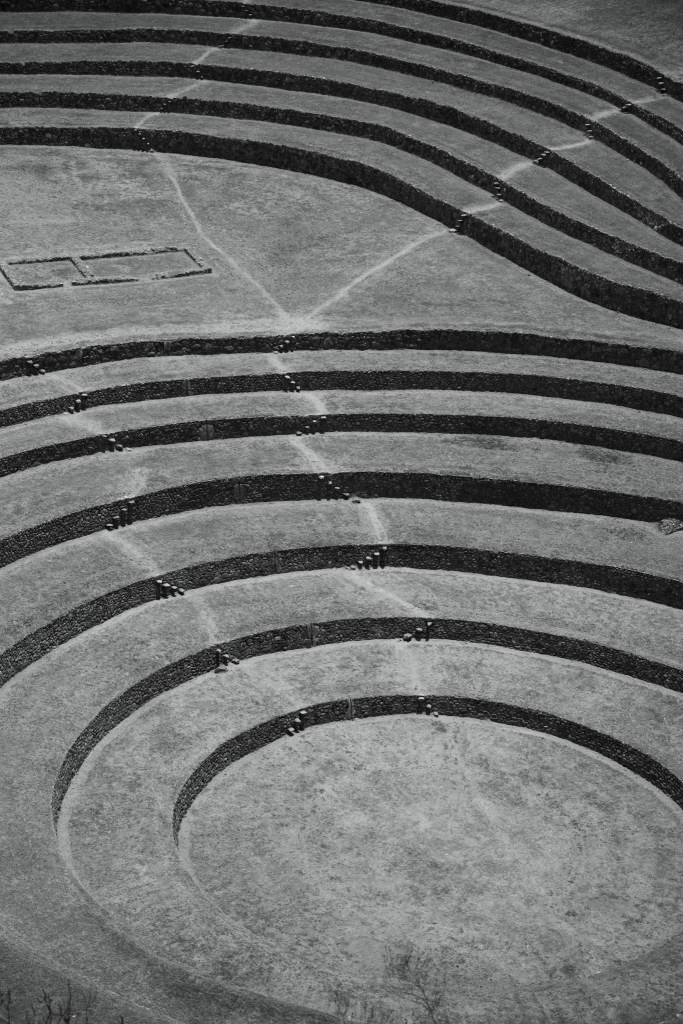
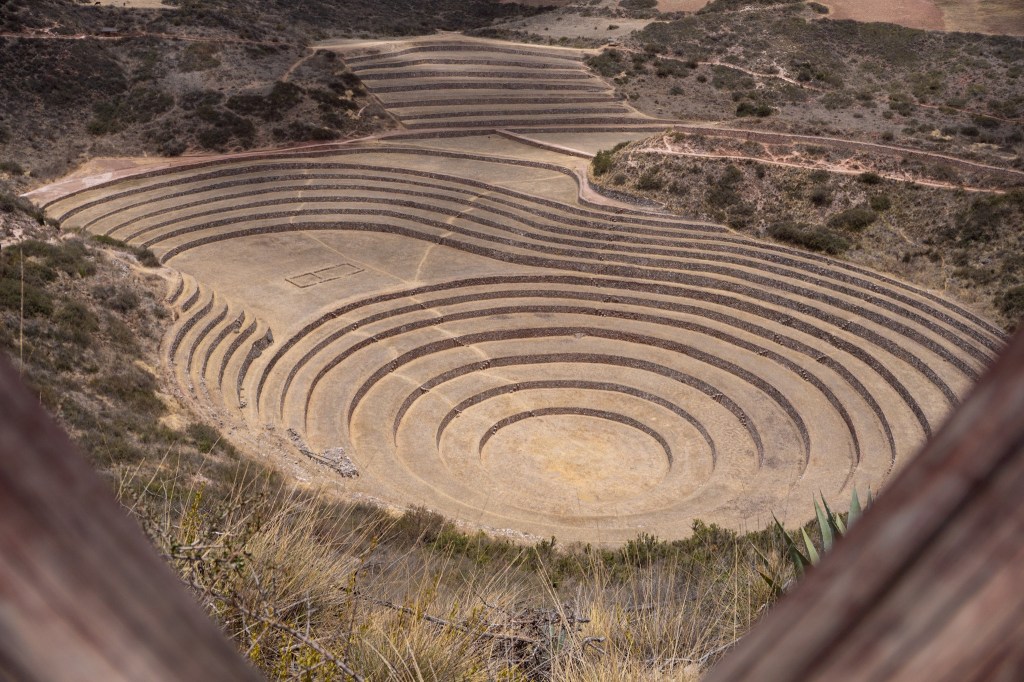
On our way home, we stopped off at a bizarre sort of holiday park (whatever you’re imagining, cancel it and look at the pictures below, it is almost certainly nothing like you’re mental images).
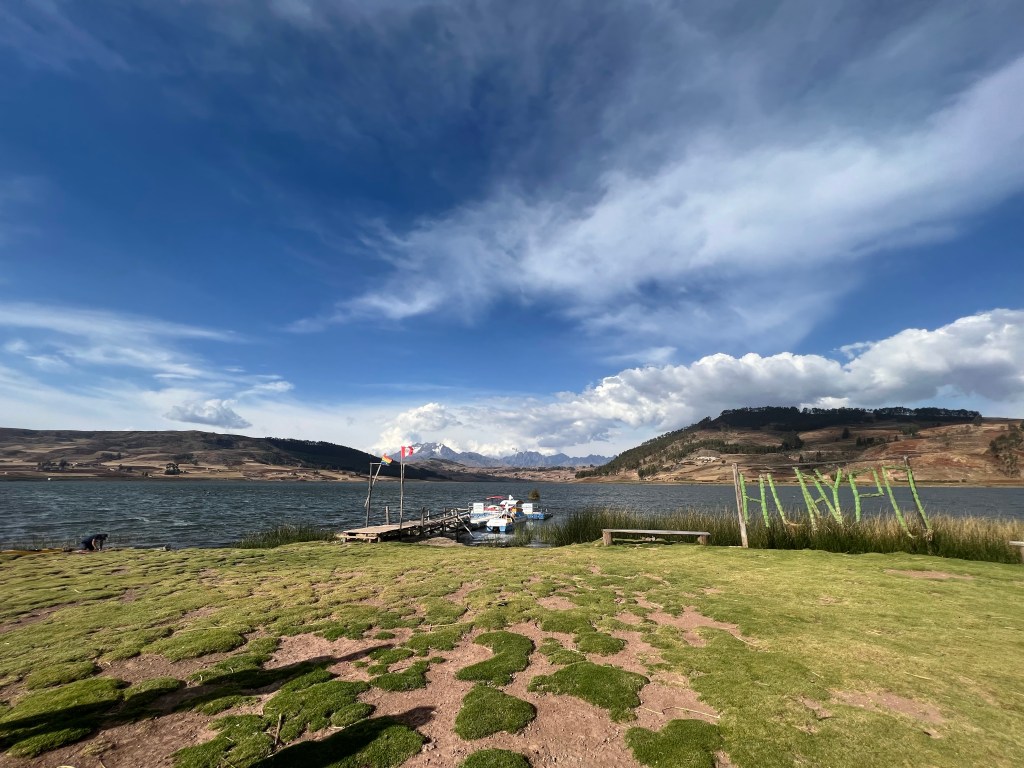
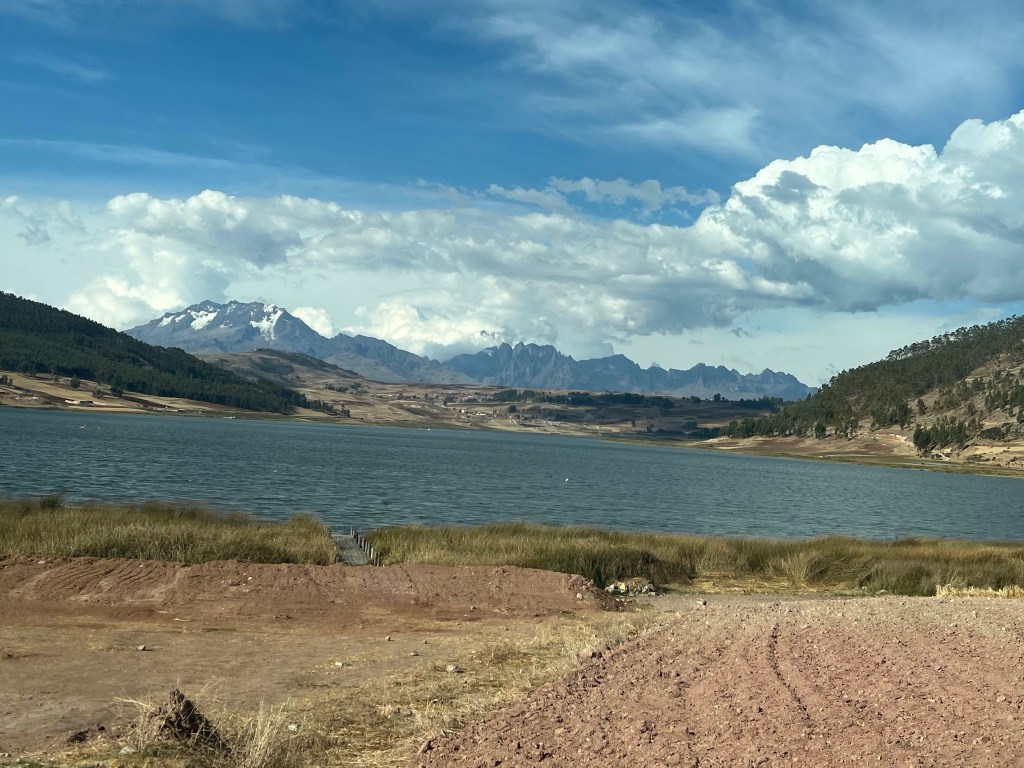
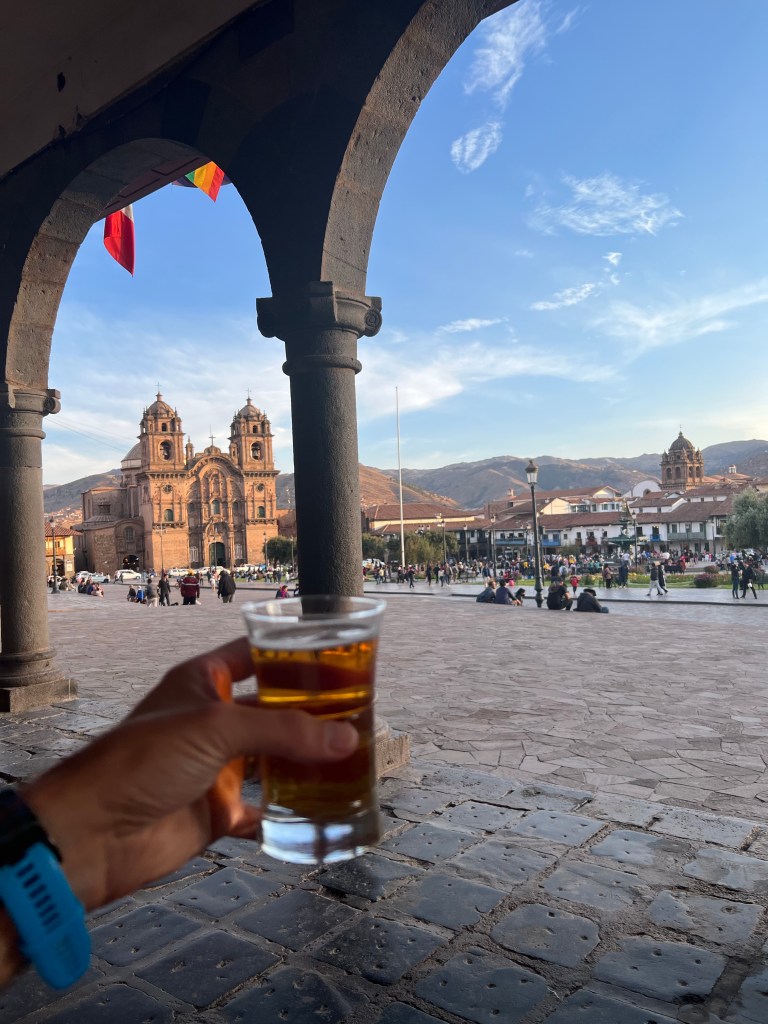
To round off a perfect day of touristing, we stopped for a drink in the main square – we both had a local drink of one sort of another, which were certainly over priced but also surprisingly lethal in terms of their alcoholic content! A good and sleep-inducing way to end the day.
 Boondock Puffins
Leave a comment