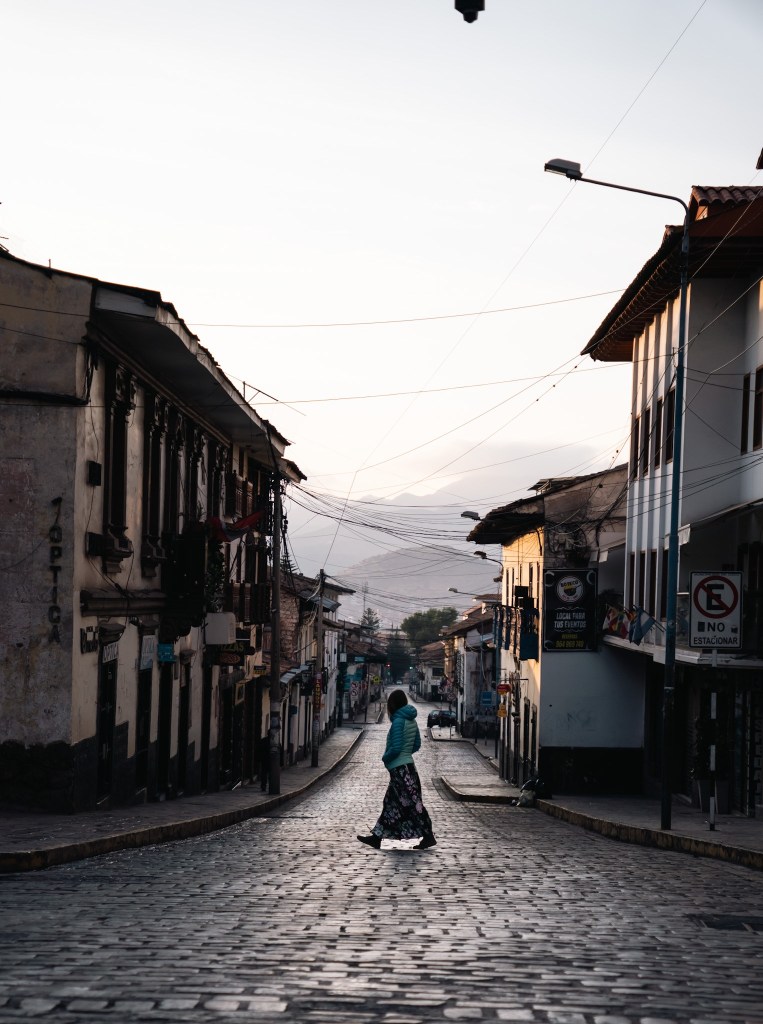
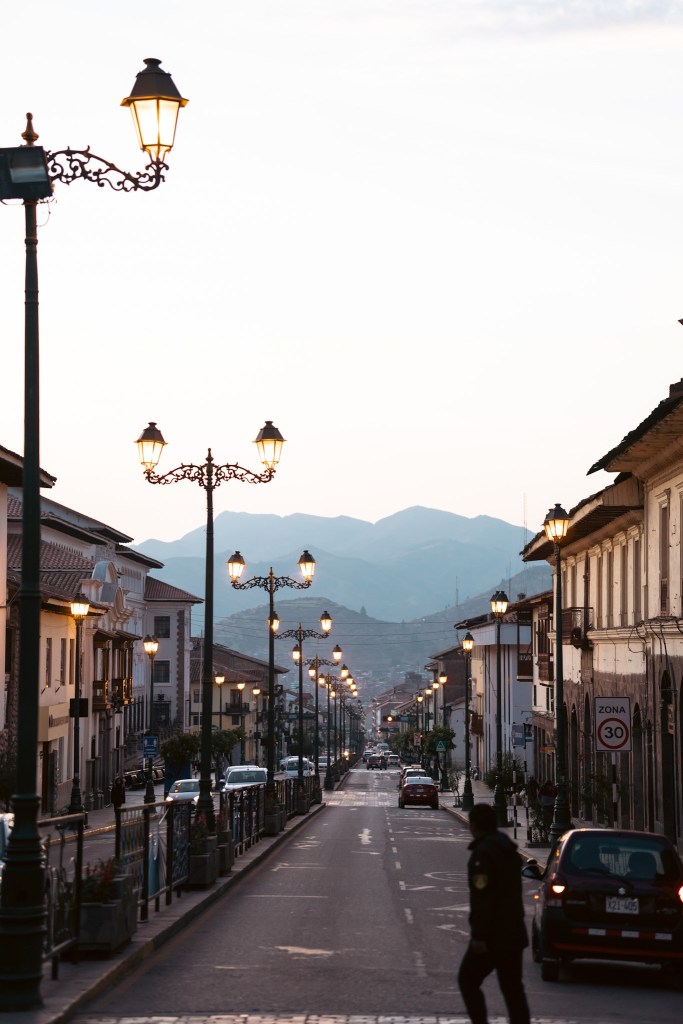
After a good sleep, thanks to jet-lag we woke up at 4.45am, in perfect time to go for a 5am sunrise walk. We had assumed the city would be asleep at such an early time but were proven wrong – the citizens of Cusco (not the tourists!) are early risers and it was a great time to people watch the city waking up and getting moving.

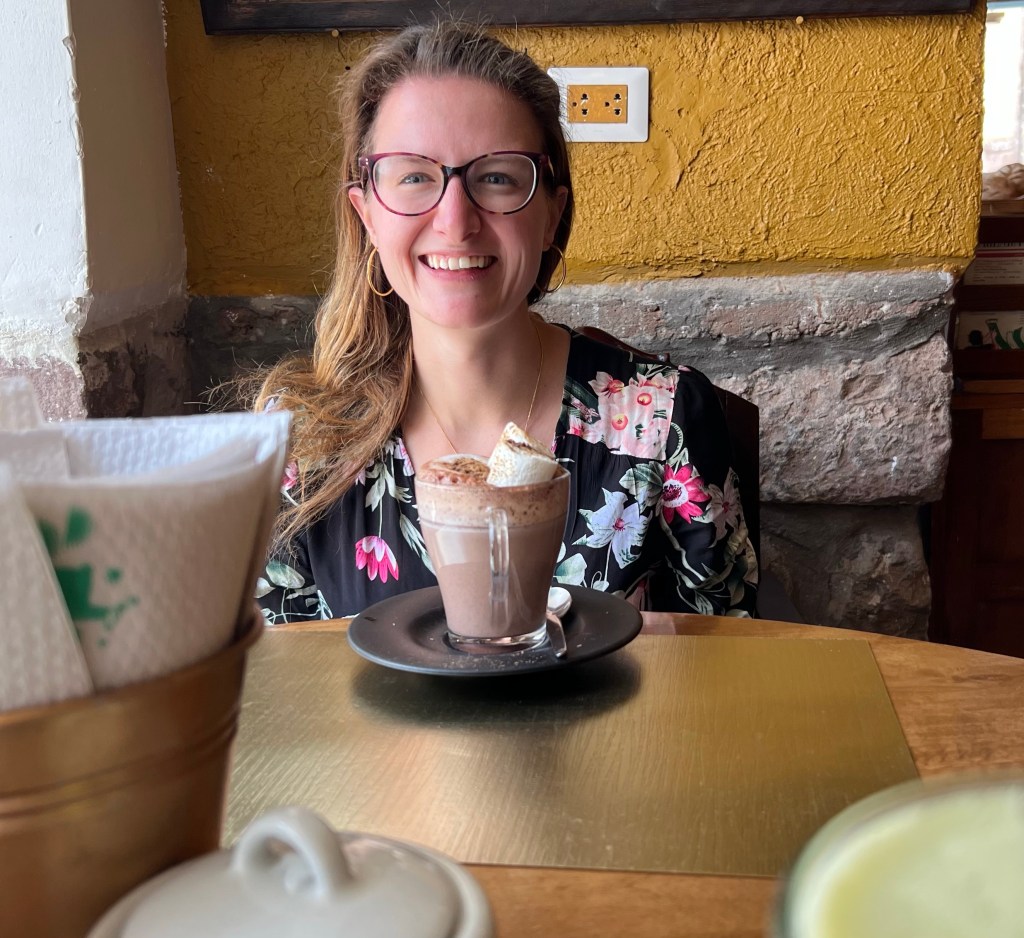
Having explored thoroughly, and realised that little is open in Cusco before 9am, we headed to find somewhere for coffee. We came across Organika café – another place we would highly recommend. Eliza would particularly like it to be known that their hot chocolate was phenomenal (see photo for the happiness brought).

We debated between going for a day tour or exploring Cusco. Realising that we needed to move hostels (our first one had no more space to extend our stay), we looked into where to explore and came across a good blog explaining different ways to see the archaeological sites of the area (https://brookebeyond.com/diy-inca-ruins-walking-tour-visiting-tambomachay-puka-pukara-qenqo-sacsahuaman-without-a-guide – thank you, Brooke!).
Deciding that, as Tom was still struggling a little with altitude sickness, it was a good idea to follow Brooke’s advice and take a taxi to the furthest point. This turned out to be an excellent choice – it was further and more uphill than we had anticipated!

First stop: Tambomachay
An Inca site whose function remains unknown, but thanks to its access to water it has been suggested that it might have been a spa, a military post or maybe a ceremonial site. Its name means something along the lines of ‘Place of Rest’ in Quechua (a family of languages spoken in Peru, and the lingua francs of the Inca Empire).
Second stop: Puka Pukara
Meaning ‘the Red Fortress’ in Quechua. Probably a military stronghold in a strategic place for protecting Cusco when it was the capital of the Inca Empire
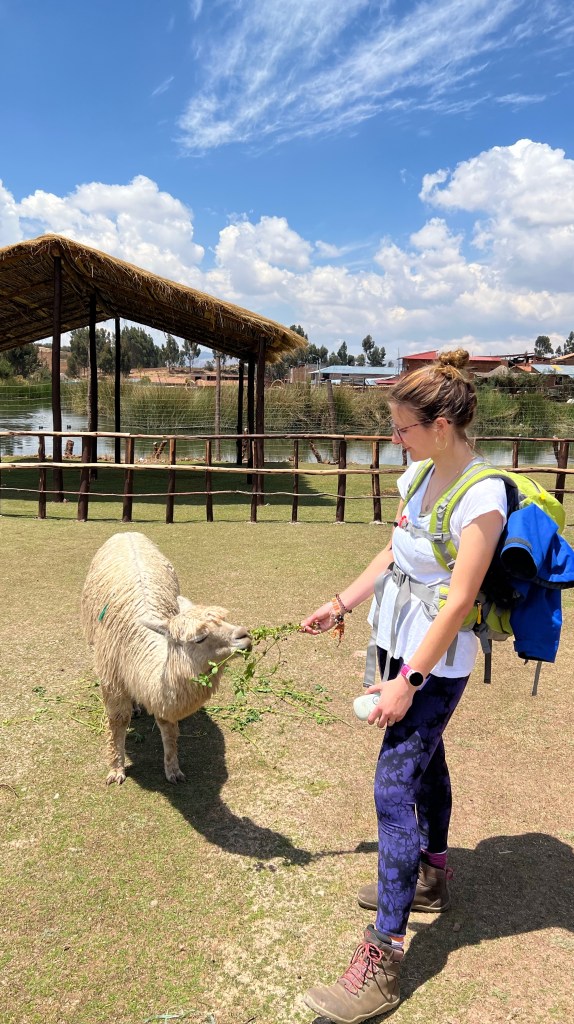
Third stop: Huayllarcocha Alpaca shop
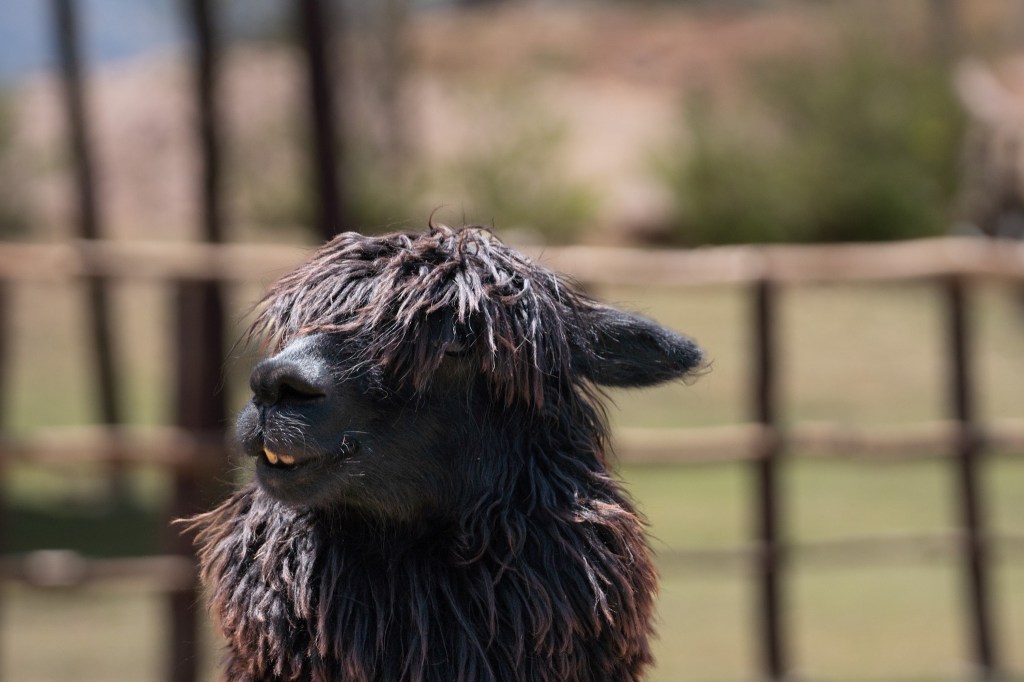
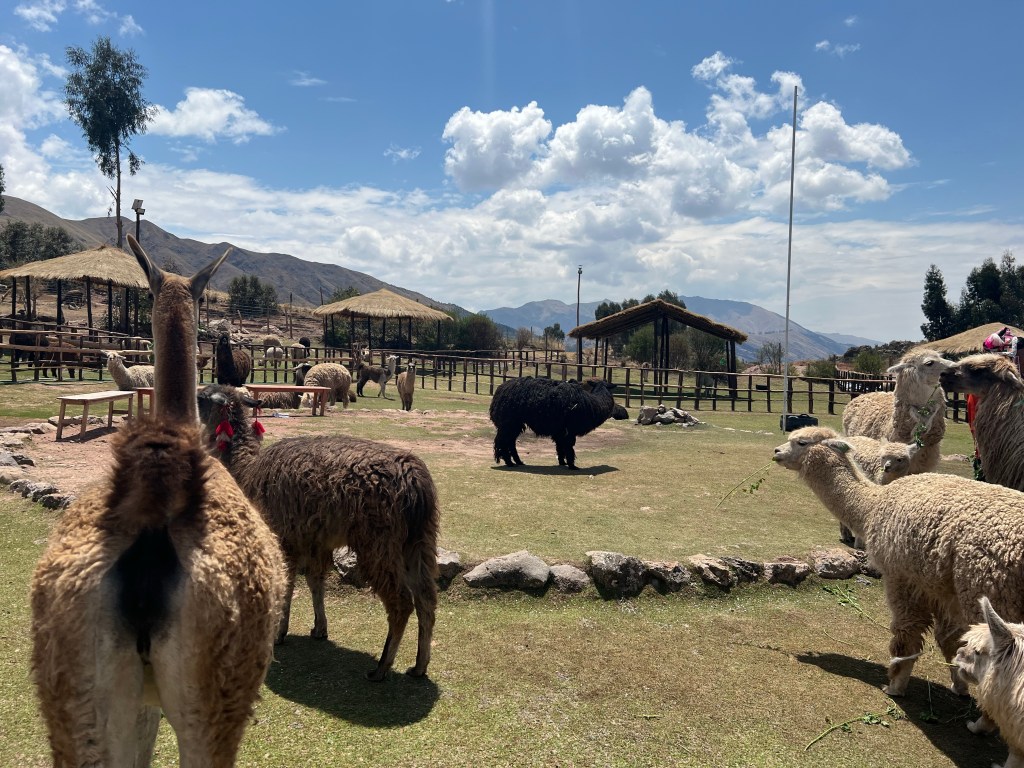
One of many alpaca shops in this little village along the road. Feeling the allure of shade, we went into this shop to have a look around and were immediately greeted with a cup of tea said to help altitude sickness. After chatting to one of the assistants, we were shown the back yard… full of alpacas! We were asked if we wanted to feed them – a very fun experience. After leaving a tip (realising we couldn’t afford any of the jumpers, but this would have been a trustworthy place to get one) we continued on our walk.
Fourth stop: Q’enqo
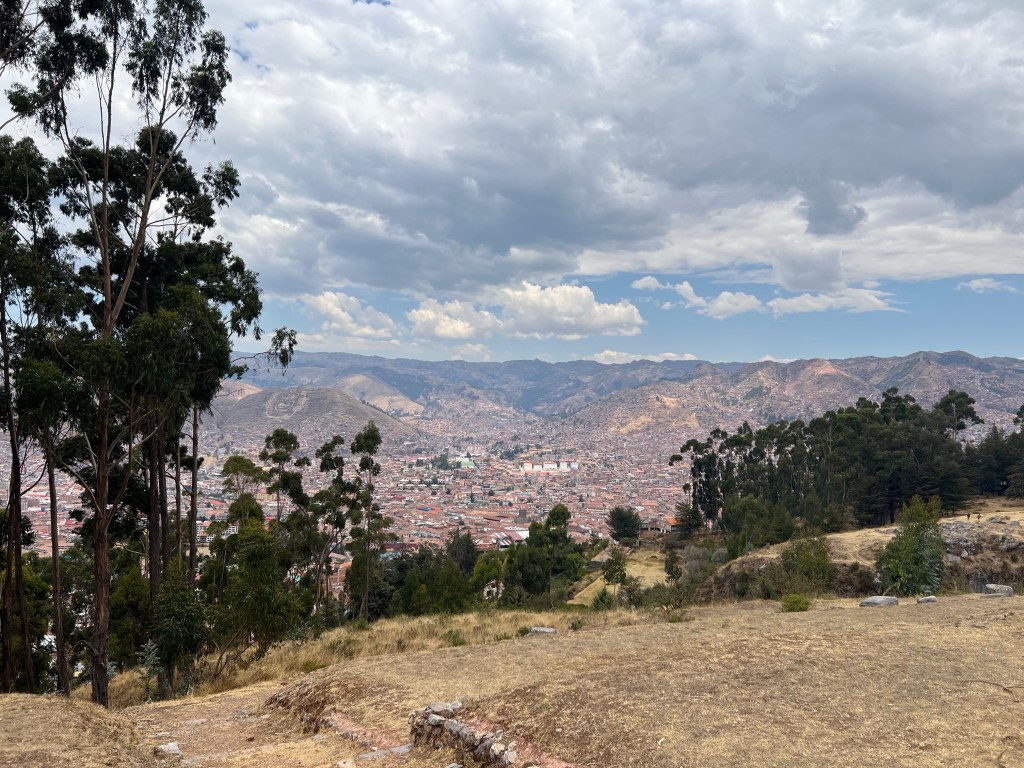
A section of the walk in the lead up to this was a little bit nerve wracking, with very little roadside to walk on and very fast drivers and trucks. But we made it, and had a lovely view of the city from this view point. Little remains here – as with many buildings of the Inca Empire, the Spaniards destroyed much of the site. There are some huge carved rocks that remain however, and the views are worth the effort. The name means ‘ZigZag’ in Quechua, referring to the zigzagging channel in one of the big rocks.
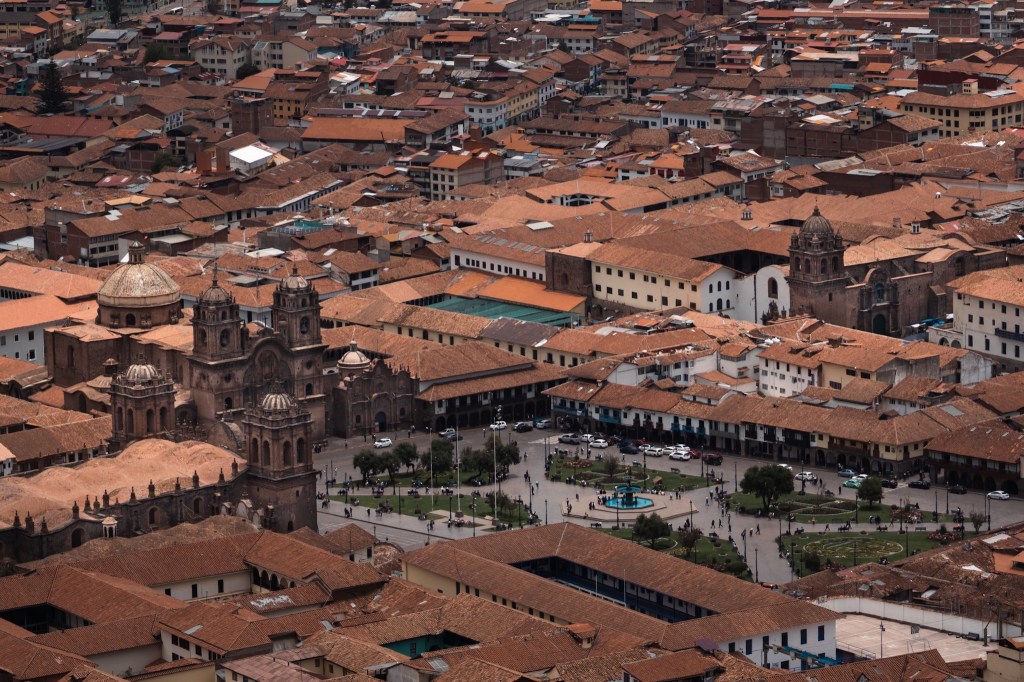
Fifth stop: Christo Blanco (aka Cusco’s Christ the Redeemer)
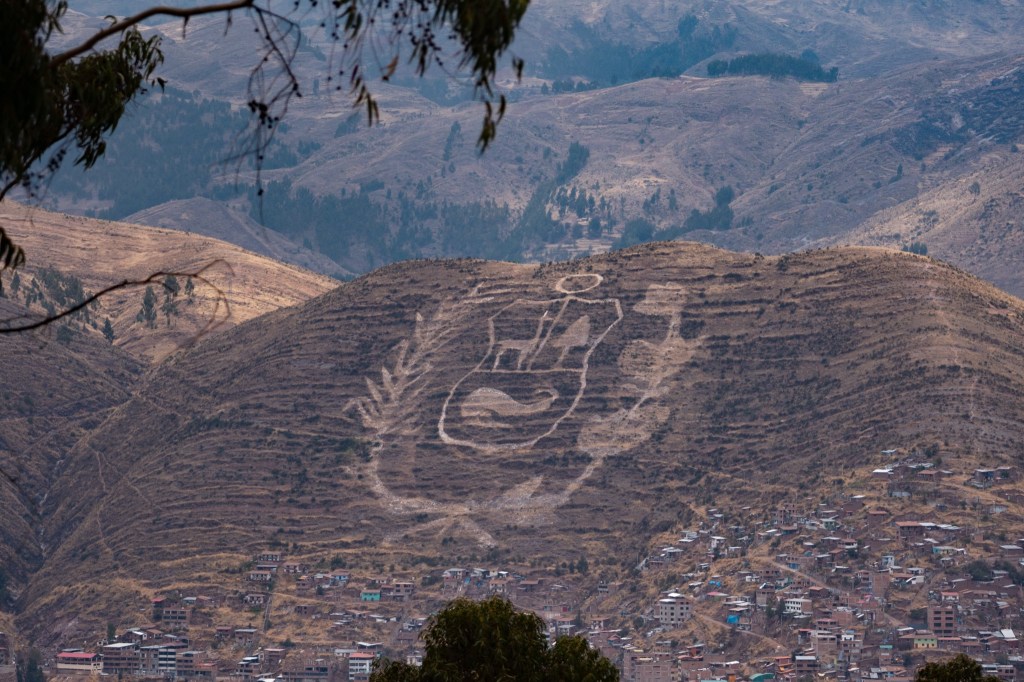
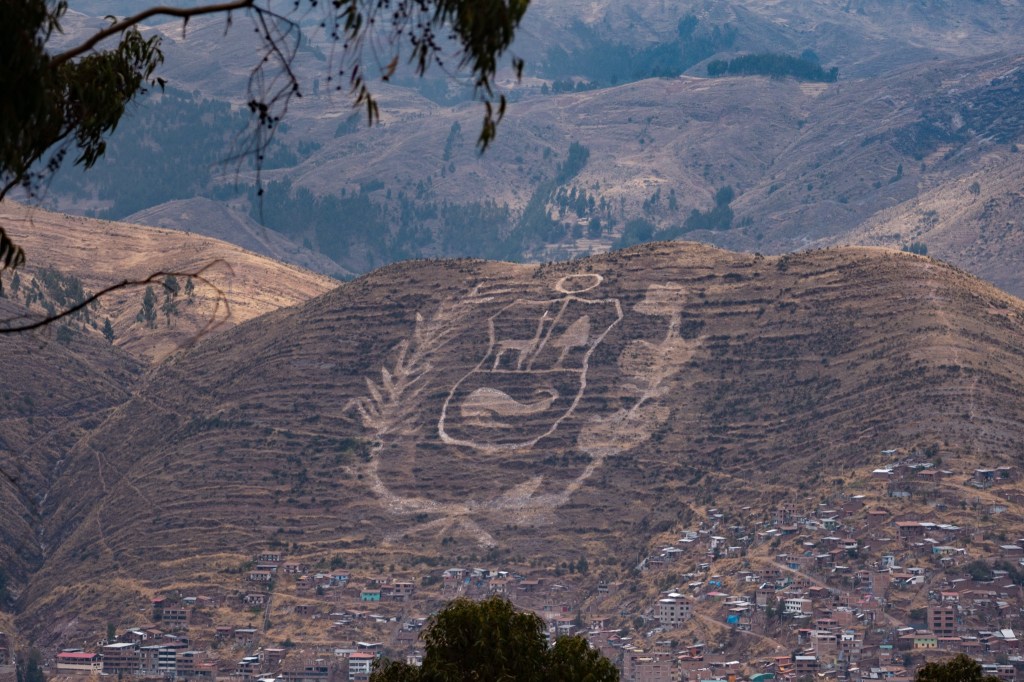
On a mountain called Puka Moqo (‘Red Hill’), this statue looks down on Cusco. It was put up in 1945 and is 8m high.
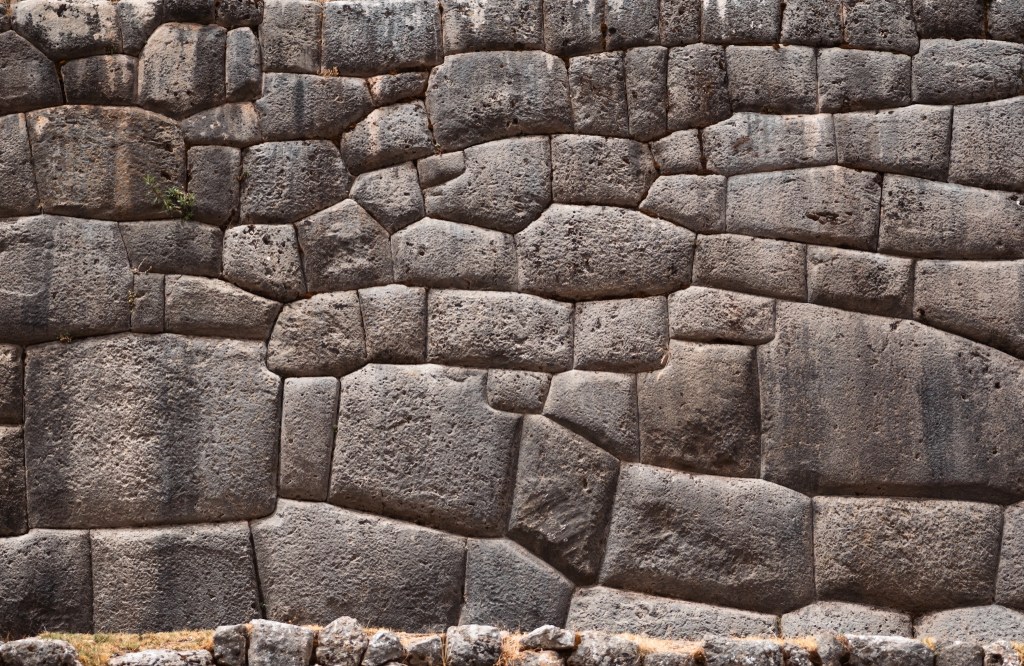
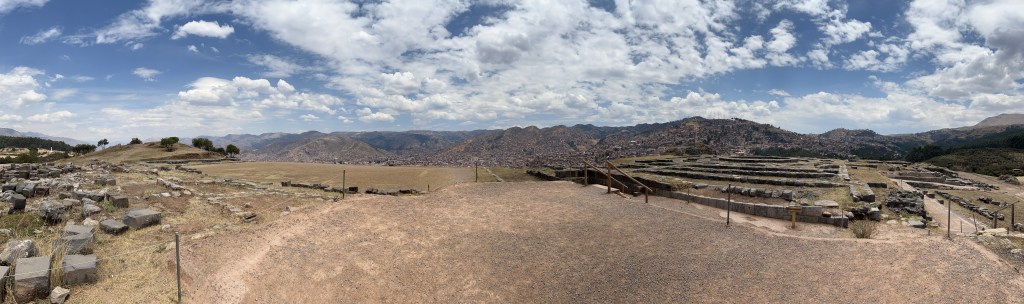
Sixth stop: Saqsayhuaman
Again up above Cusco, this is one of the main Inca sites with its megalithic walls (some weighing up to 200 tons), building what seems to be a citadel. To think that this was built without the use of a wheel is quite something! As with the other sites, the actual use of Saqsayhuaman is debated – maybe a monument, maybe a defensive stronghold, it will never be certain.


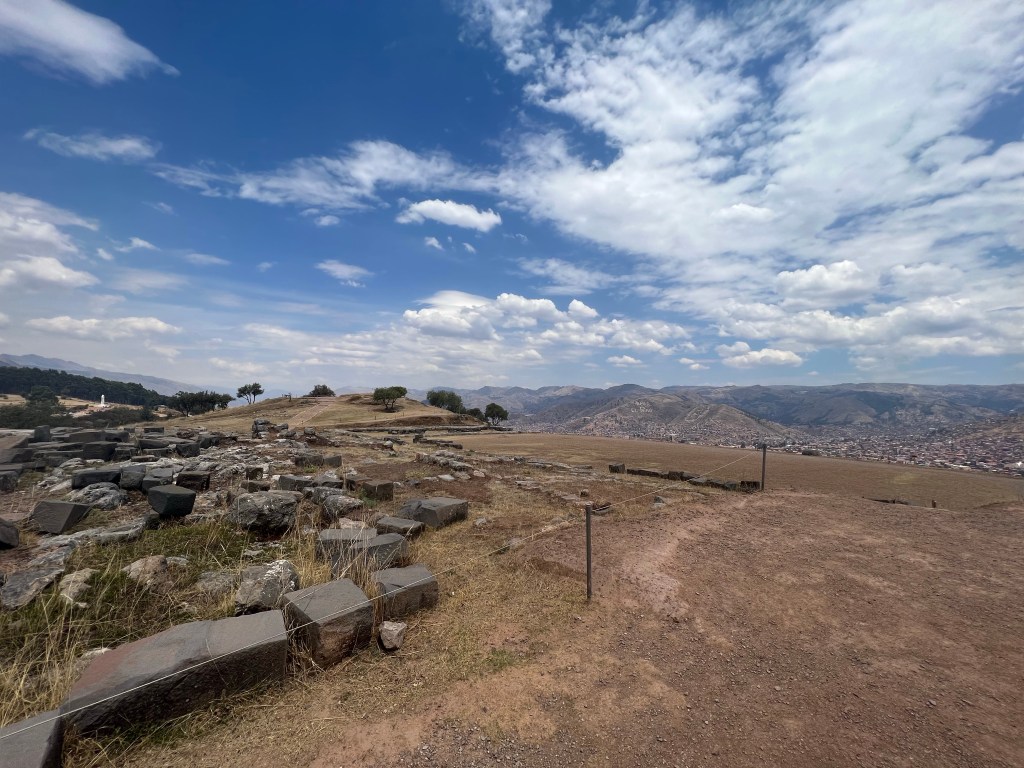
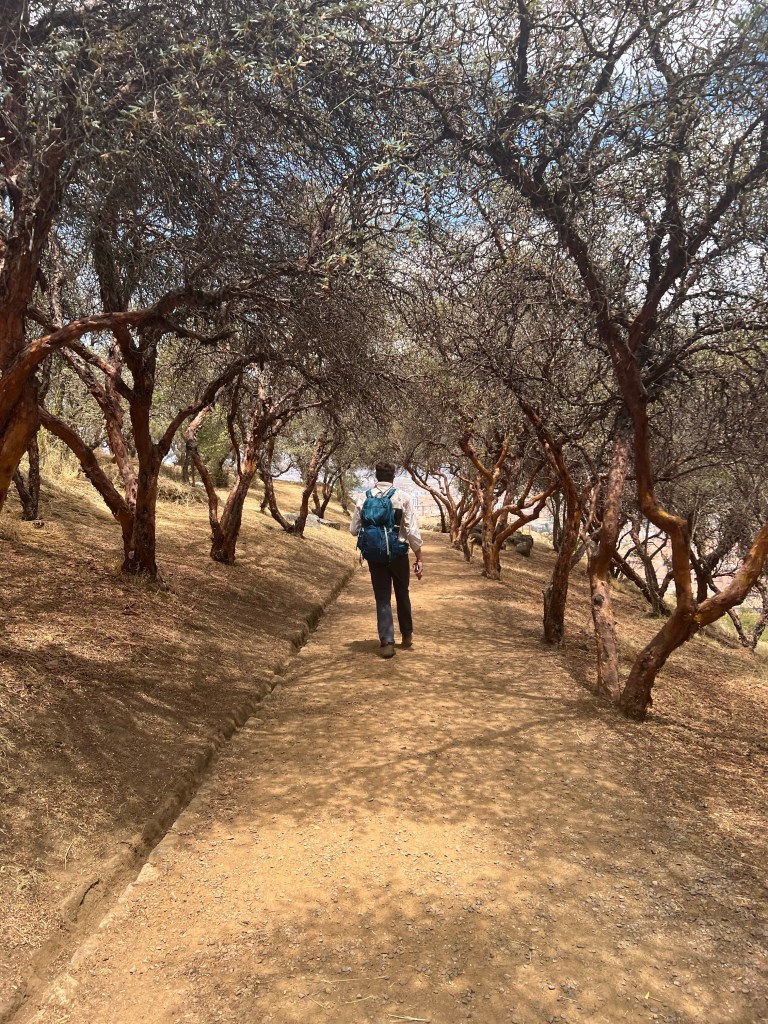
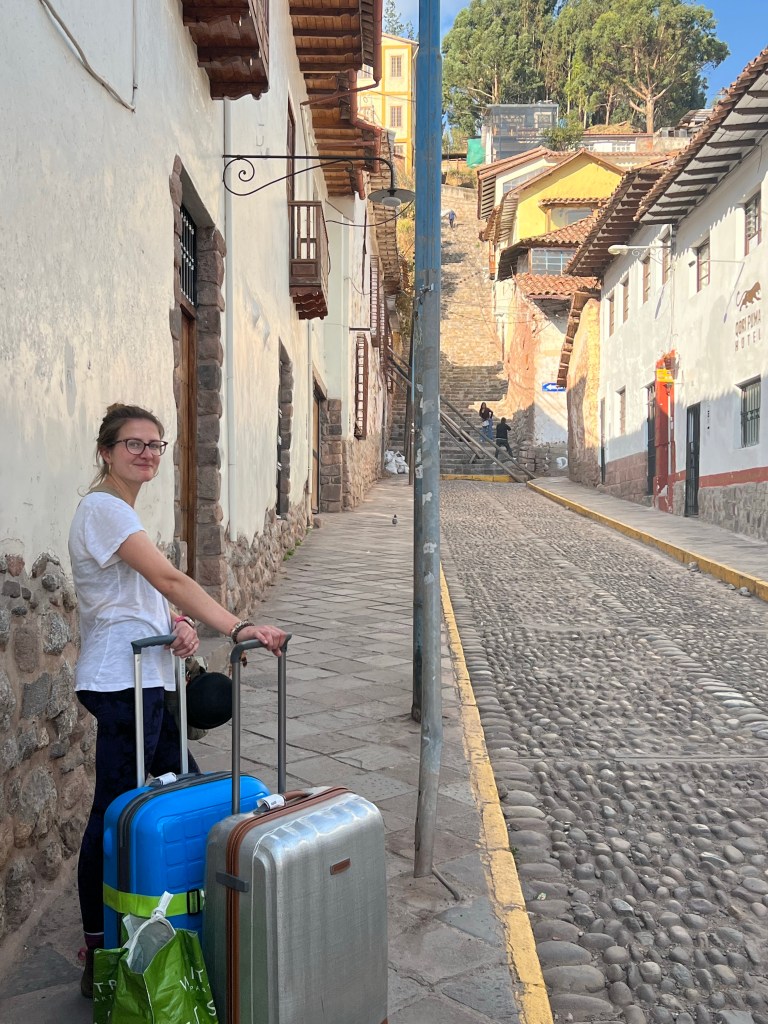
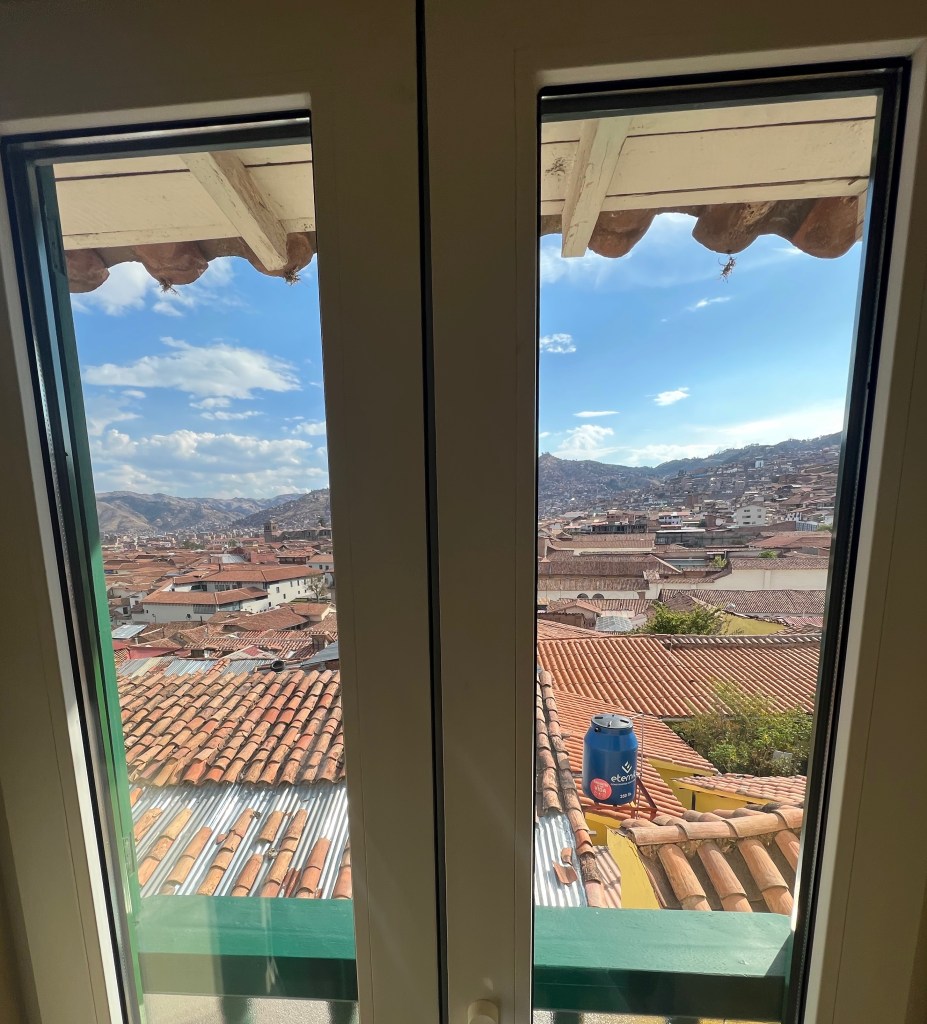
As we came back from our walk, we thought that we should check into our new hostel, leave our hiking bags and then go to collect our suitcases. Unfortunately when we decided on our new hostel, we looked on a map… a map that did not make contour lines clear. Don’t get us wrong, the new hostel (Hostal Corihuasi) was really lovely, and our room had awesome views over the city – thanks to the height – but this did make for a very fun journey up to it with our suitcases. Stubbornness is one of our many flaws, as is awkwardness in social situations that involve money discussions. As a result of this combination, we decided that climbing a wall of cobbles (see below) with heavy bags while suffering from altitude sickness in place of asking for a taxi to drive us that would have cost approximately £2.
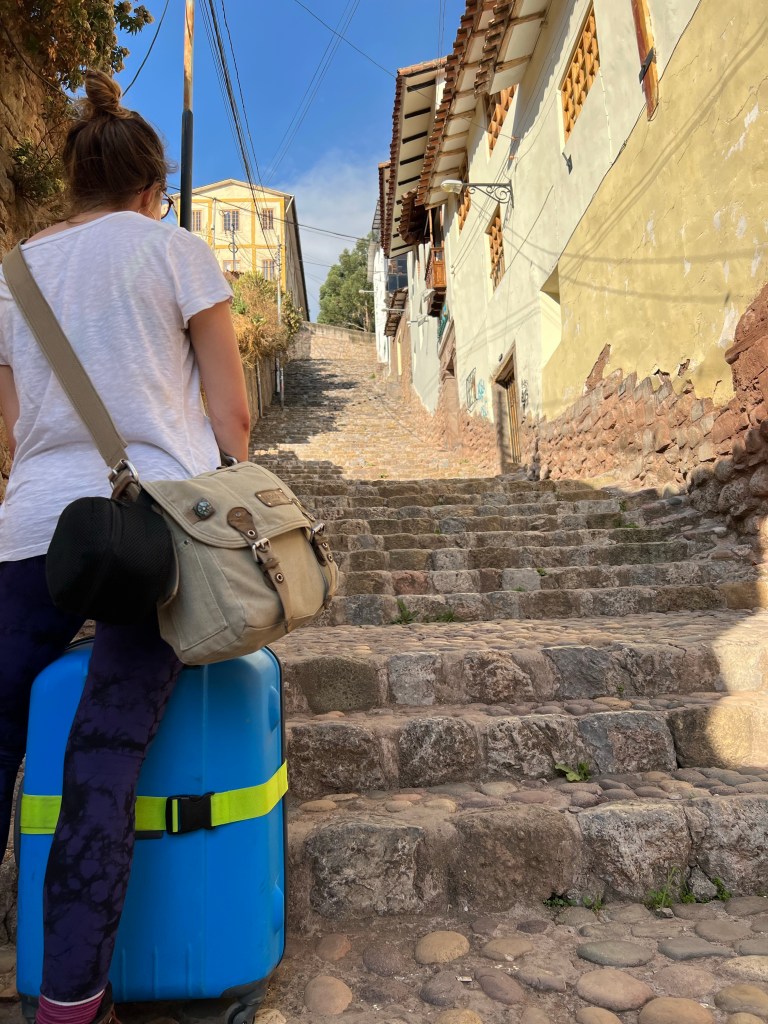
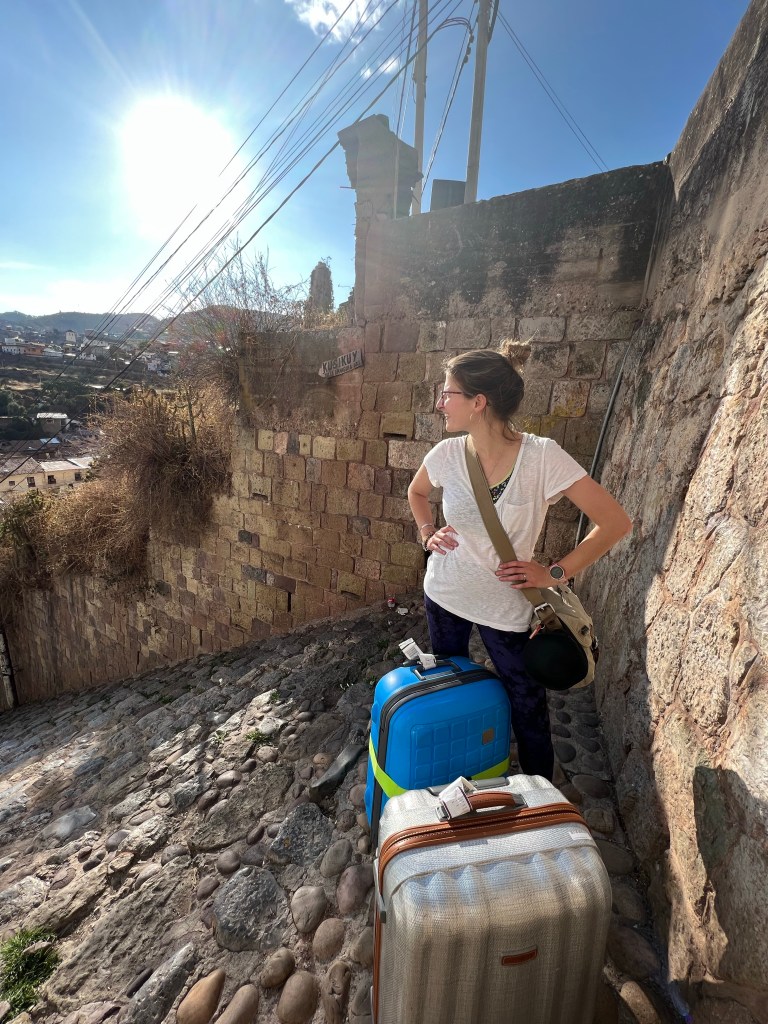
Following our own mini Everest, we had earned a good supper. We headed out to a place called Yaku. One thing that became clear after only two days in Peru was that food here was out of this world. Here, we shared trout ceviche, alpaca steak, and finished with hot chocolate for pudding. Incredible food, combined with a friendly atmosphere (complete with a live Peruvian band mixing traditional music and classic rock hits), as well as an entertaining viewing point over a busy crossing road which in England would be boring but in Peru, with the mayhem of the roads, provided endless comedy.
Another merry walk home, this time accompanied by the excitement of discovering that now we were staying on a street filled with nightclubs which made us feel incredibly old and unfun and entirely content with that fact.
 Boondock Puffins
Leave a comment